Walking Food Tours in Rome: Distances, Stops and What the Format Actually Involves
Rome is a walking city, and most of its food tours are walking tours. Here is the honest arithmetic: distances covered, stops per tour, time on your feet, and whether a guide earns the ticket price over a self-guided crawl.
Short answer
Most Rome food walks cover roughly 1.5 to 3 kilometres over 2.5 to 4 hours, with 5 to 9 tasting stops. Tours from $52.26 to $147.89 per person dominate the market. You stand at some stops and sit at others, and flat shoes matter more than anything on the packing list.
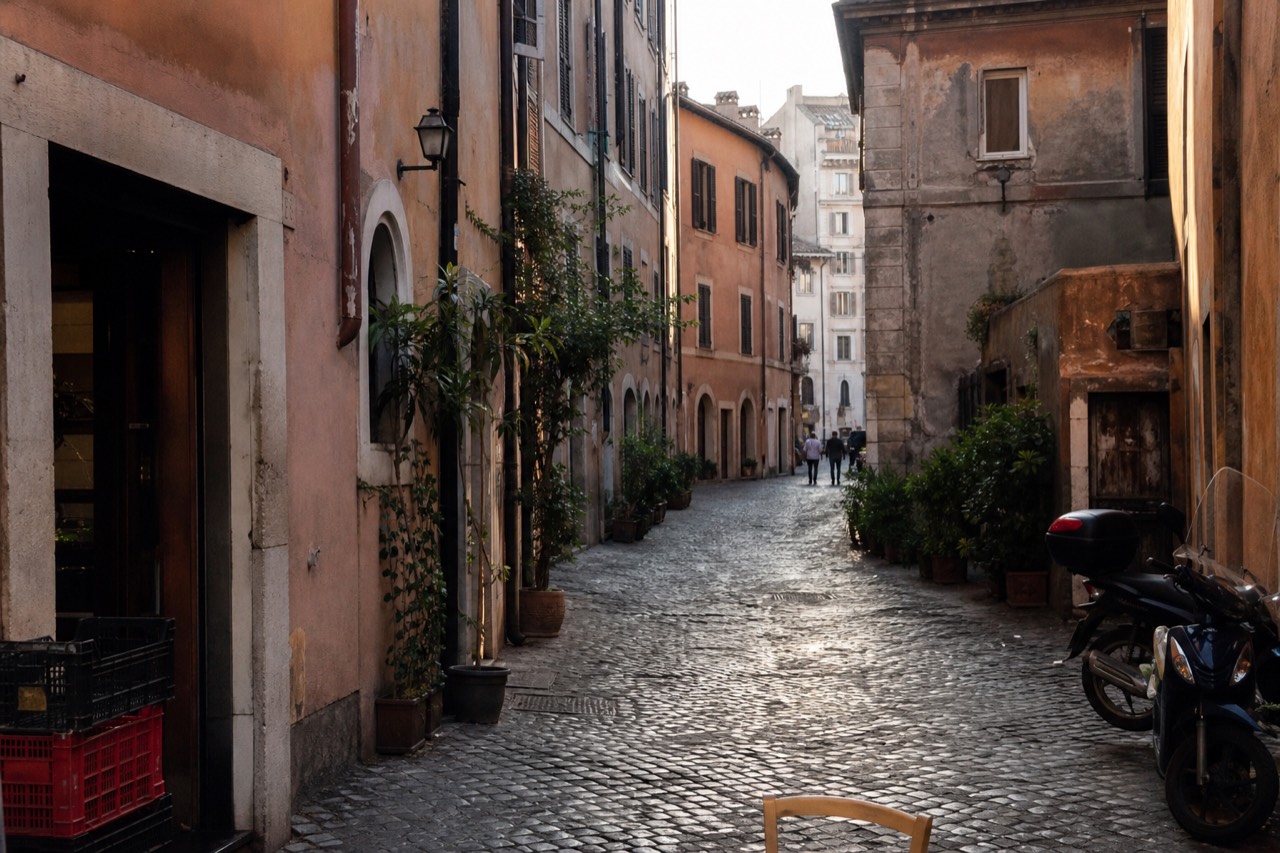
Rome's food tour market is overwhelmingly a walking market. Of the tours on this site's roster, nearly every neighborhood walk, market visit and tasting route runs on foot, because the city's centro storico was built for pedestrians long before it was built for anything else. The cobbled lanes of Trastevere, the market aisles of Testaccio and the porticoed streets of the Jewish Ghetto simply cannot be experienced from a vehicle at any speed.
That raises practical questions that most tour listings answer vaguely or not at all. How far will you actually walk? How many places will you stop? Will you be standing on cobblestones for three hours, or sitting down at half the stops? And if Rome is walkable anyway, does paying for a guide make sense, or could you build the same crawl yourself with a map and a bit of research?
This guide answers those questions with real numbers from the tour roster, the city's own regulations where they matter, and honest planning ranges where no operator publishes a figure.
How Far Do You Actually Walk on a Guided Food Walk?
A typical Rome food walk covers somewhere between 1.5 and 3 kilometres end to end, spread across 2.5 to 4 hours, which works out to a very gentle pace of well under a kilometre per hour. The longest walks on the roster run 4 hours; the shortest run 2.5. Nobody is speed-walking, because the whole point is stopping to eat.
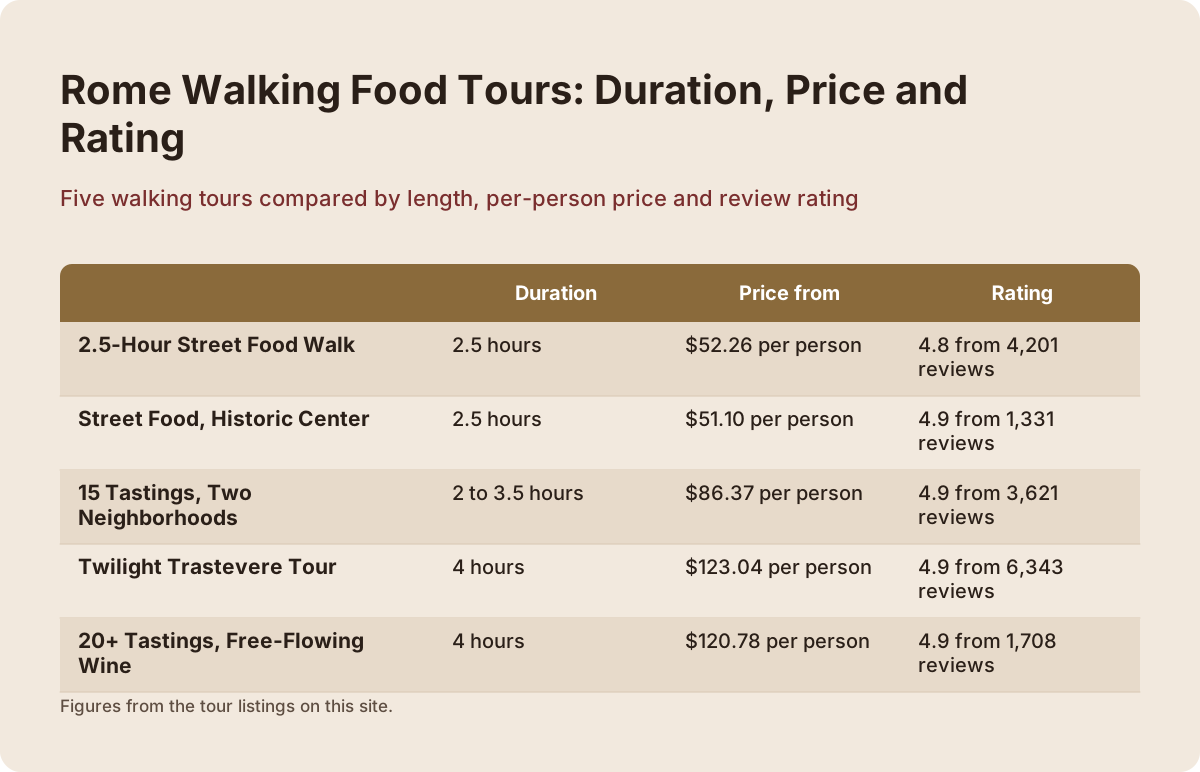
Those distances are planning estimates, not operator promises: tour listings publish durations, not kilometre counts, and routes shift with opening hours and crowd levels. But the arithmetic is fairly stable. A 2.5-hour street food walk like the 2.5-Hour Street Food Walk ($52.26 per person, 4.8 from 4,201 reviews) circles Campo de' Fiori and the surrounding lanes of the historic center, a compact area where the stops sit close together. A 4-hour walk like the Twilight Trastevere Tour ($123.04 per person, 4.9 from 6,343 reviews) has time to wander further into the rione, crossing from Piazza S. Bartolomeo All'Isola over the Tiber and through the lanes beyond Piazza Santa Maria in Trastevere.
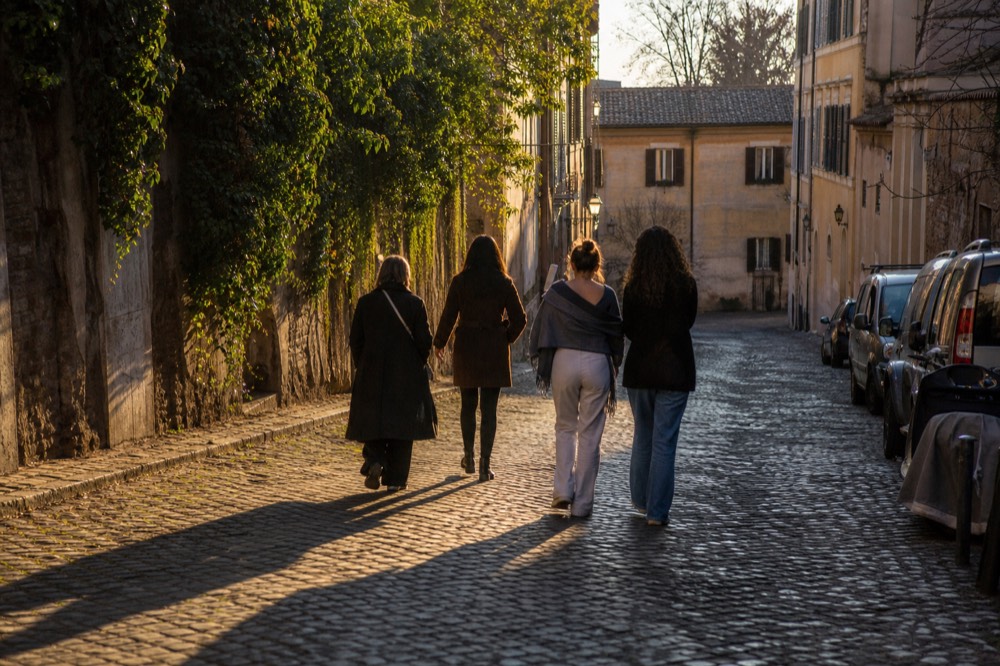
Two things make Rome's walking distances feel shorter than the numbers suggest. First, the city breaks every route into short segments: a stop here, a tasting there, a story in a piazza, so you rarely walk more than a few hundred meters without a pause. Second, the ground itself slows you down. Sanpietrini, the small square cobbles that pave most of the center, demand attention and decent shoes, and they are the single most common complaint in guest reviews of walking tours anywhere in the historic center.
Footwear is worth a paragraph of its own. Reviews of Rome food walks repeatedly mention shoes, and not because guides check. The cobblestones are uneven, occasionally slick, and unforgiving in anything with a heel. Flat shoes with grip are the difference between finishing a 4-hour walk comfortably and counting the stops until it ends.
How many stops does a walking food tour make?
Most Rome food walks build in between 5 and 9 stops, with the count scaling with duration and price: the 2.5-hour walks tend toward the lower end, and the 4-hour walks with 15 or 20+ tastings spread those tastings across more venues. A "tasting" and a "stop" are not the same thing, since one stop can carry several tastings.
The roster makes the pattern easy to read. The 15 Tastings, Two Neighborhoods tour ($86.37 per person, 4.9 from 3,621 reviews) explicitly spreads 15 tastings across Trastevere and the Jewish Ghetto in a run of 2 to 3.5 hours, which means multiple items per venue. The 20+ Tastings, Free-Flowing Wine tour ($120.78 per person, 4.9 from 1,708 reviews, 4 hours) pushes the same logic further. By contrast, a compact street food walk like Street Food, Historic Center ($51.10 per person, 4.9 from 1,331 reviews) concentrates on fewer venues with one item each, which suits walkers who want the route short and the pace quick.
The stop count matters more than the tasting count for your feet and your stomach. Fifteen tastings across six stops is a walking tour with generous pauses. Fifteen tastings across three stops is closer to a seated dinner with a short stroll between courses. Check the listing's stop structure, not just its headline number, before choosing.
| Tour | Duration | Price from | Rating | Format clue |
|---|---|---|---|---|
| 2.5-Hour Street Food Walk | 2.5 hours | $52.26 per person | 4.8 from 4,201 reviews | Standing street food, Campo de' Fiori start |
| Street Food, Historic Center | 2.5 hours | $51.10 per person | 4.9 from 1,331 reviews | Standing, compact route |
| 15 Tastings, Two Neighborhoods | 2 to 3.5 hours | $86.37 per person | 4.9 from 3,621 reviews | Two rioni, mixed standing and seated |
| Twilight Trastevere Tour | 4 hours | $123.04 per person | 4.9 from 6,343 reviews | Evening walk, dinner-scale |
| 20+ Tastings, Free-Flowing Wine | 4 hours | $120.78 per person | 4.9 from 1,708 reviews | Trastevere, maximum tasting count |
If you are comparing formats rather than individual tours, the evening food tours in Rome guide breaks down the dinner-scale walks separately, and the Trastevere food tours guide covers the rione where the longest routes concentrate.
Are you standing or sitting at the tastings?
Expect a mix, weighted toward standing on the shorter and cheaper walks: street food tours are mostly on your feet, at counters and in squares, while 3-hour and 4-hour walks usually include at least one seated stop, often a trattoria or enoteca table where the bigger tastings happen. The listing's wording tells you which you are getting.
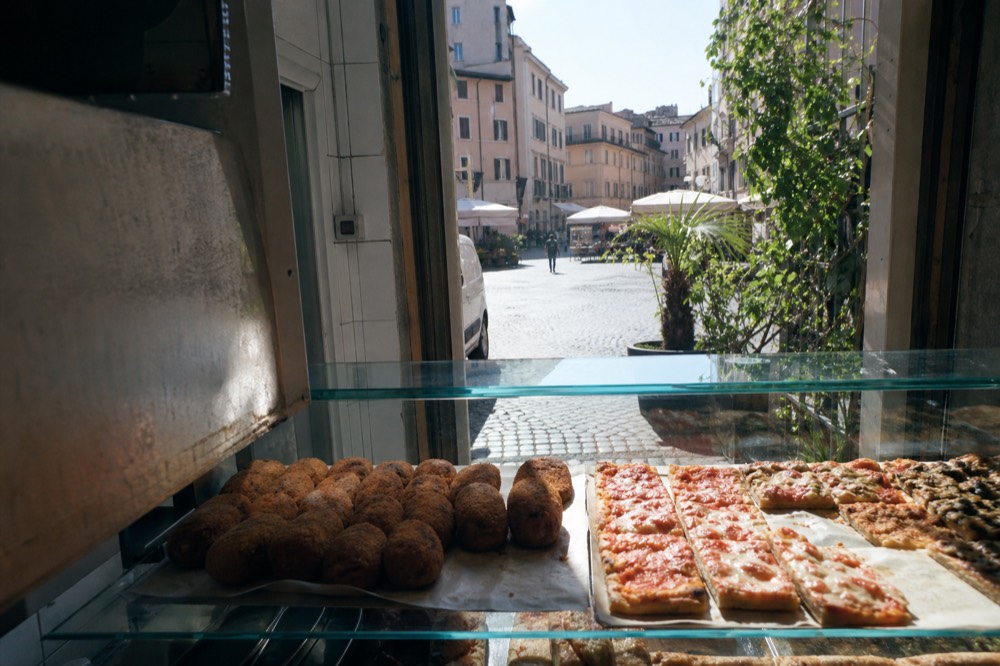
The words matter. A listing that promises "street food" is promising food eaten standing or walking, by definition. The Vegan Street Food Walk ($91.75 per person, 5 from 79 reviews) and the two historic-center street food walks are built around counters, bakery queues and piazza pauses. A listing that promises "dinner", like Hidden Gems, Dinner & Wine ($68.45 per group, price varies by group size, 4.9 from 1,604 reviews), is telling you the tour ends at tables. The Dinner Plus Barolo Wine tour ($75.95 per person, 4.9 from 2,676 reviews) sits somewhere between, with a seated dinner as its anchor.
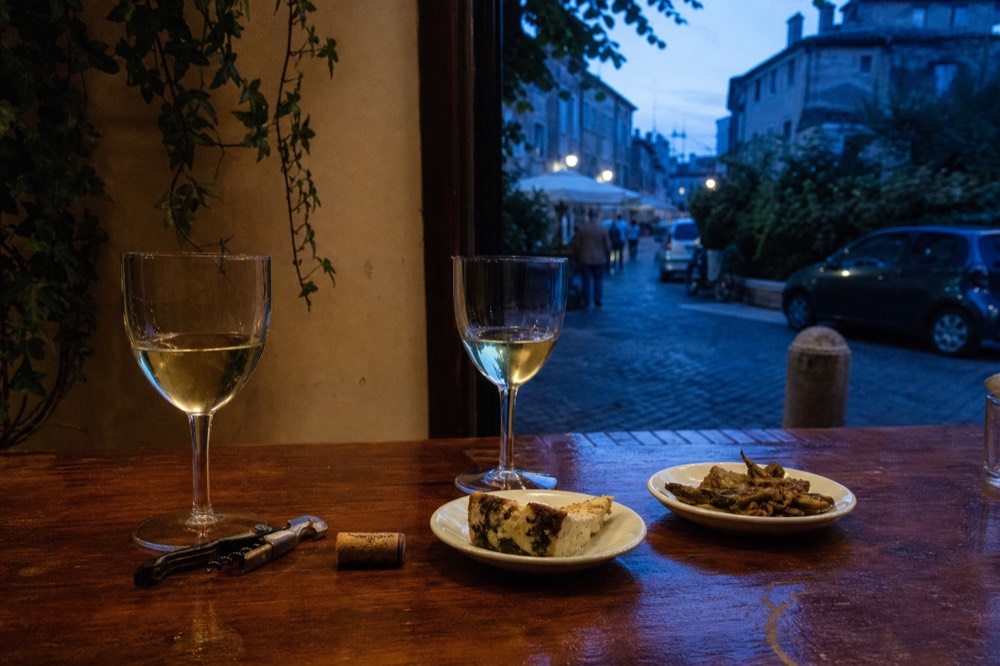
For anyone with mobility limits, stamina concerns or simply tired knees, this is the most important filter on the whole booking page, more important than price or tasting count. Ask the operator directly before booking whether the route includes seated stops and whether the route can be shortened; several operators run small-group walks precisely because they can adapt the pace.
The 2.5-Hour Street Food Walk is the roster's clearest standing-heavy example, and its format is exactly what its title suggests.
If standing for two and a half hours sounds like too much, the same operator family includes seated-anchor formats, and the price gap between a standing walk and a dinner walk is smaller than most visitors expect.
Is Rome a walkable city for eating on your own?
Yes, and unusually so: Rome's historic center is compact, flat by Italian standards, and dense with food shops, markets and trattorias, so a self-guided crawl of 1 to 2 kilometres is entirely realistic. The catch is knowledge, not distance. Knowing which counter, which market stall and which hour is what a guide sells.
The city's own tourism authority treats the rione markets as food destinations in their own right, describing Testaccio's mix of traditional stalls, street food and tastings and the Trastevere market's seasonal produce, from puntarelle and artichokes to fish from the coast, on its official markets page. Mercato di Testaccio publishes hours of roughly 7am to mid-afternoon Monday to Saturday on its own site, and Mercato Trionfale, with around 270 stalls, is one of Europe's largest covered neighbourhood markets. A walker with a morning free can build a serious crawl out of either without a guide.
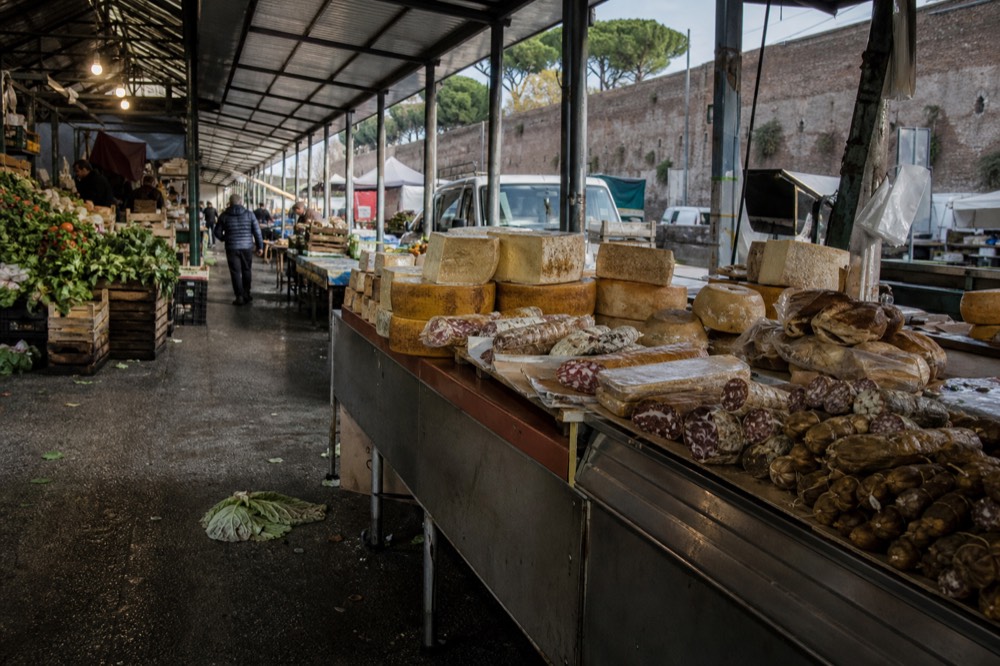
There are real limits to self-guiding, though, and honesty requires naming them. Opening hours in Rome are erratic and often unpublished: the city's official page for the Campo de' Fiori market declines to list hours at all and directs you to ask. The Lazio law that governs food service leaves opening hours entirely to the operator's discretion, which is why the August "chiuso per ferie" closures happen everywhere at once even though no law requires them. And a walker who does not read Italian menus misses the quinto quarto dishes, the offal tradition of the old slaughterhouse district, that never make it onto the translated card.
One regulation genuinely helps the independent walker. Lazio regional law prohibits a separate coperto charge in restaurants, and any service charge must appear on the price list before you order, with fines of 2,500 to 7,500 euros for breaches. The law is the rule rather than a guarantee of compliance, but it means a self-guided crawler can check the displayed prices and know what the bill should look like.
What does a guide add over a self-guided crawl?
A guide adds three things a map cannot: access to venues that do not deal with walk-ins, translation of menus and ordering customs, and pacing, meaning the reservations, the timing and the route are already solved. Whether that is worth the ticket price depends mostly on how many stops you want and how much research you enjoy.
The access point is the least obvious and the most real. Several of the best tasting venues in Trastevere and Testaccio are tiny, queue-based or reservation-only, and a tour operator has standing relationships with them. A guide also knows the season: the Carciofo Romanesco del Lazio PGI harvest runs from January into May, so a February walker gets fried artichokes a guide will actually find, while an August walker needs to be steered toward what is genuinely in season rather than what the freezer offers.
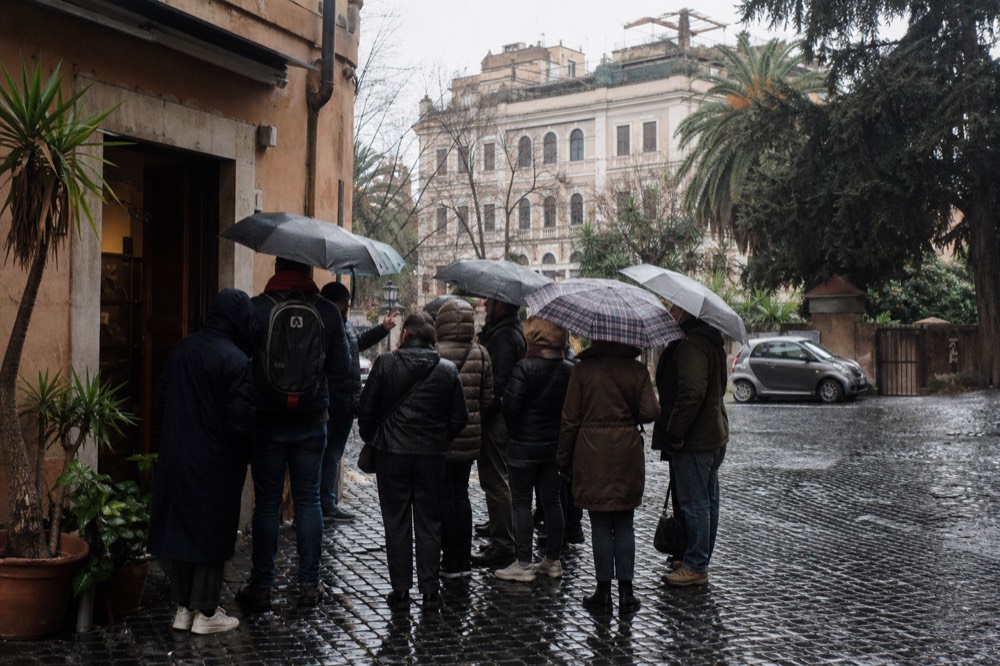
The Street Food, Historic Center walk is a good case study in what the modest price tier buys: a compact, 2.5-hour route where the operator handles the ordering at counters where pointing and hoping otherwise does the work. For travelers who want the same walk without the logistics, Rome Food Tours compares the walking formats side by side, and the question of whether the ticket is worth it at all has its own honest treatment in is a food tour worth it in Rome.
The counter-argument deserves space too. Rome rewards the curious. A walker who reads a little about the four classic Roman pastas, who knows amatriciana is the one with an EU-registered traditional speciality, and who is willing to eat where the menu has no English, will eat extremely well without a guide. What that walker will not get is efficiency: three or four stops in an afternoon rather than six or eight, and some misses along the way.
What does a walking food tour cost in Rome?
Walking food tours in Rome run from about $52.26 to $147.89 per person on this site's roster, with the price tracking duration and inclusion rather than quality: the cheapest walks are 2.5-hour standing tours, and the top of the range is a 4-hour luxury walk with free-flowing wine. Several tours price per group, which changes the math for families.
| Price tier | Tours in this tier | What the price buys |
|---|---|---|
| Under $60 per person | 2.5-Hour Street Food Walk ($52.26), Street Food, Historic Center ($51.10) | Standing street food, short route, 2.5 hours |
| Mid tier, around $75 to $92 | Small-Group Trastevere ($78.97), 15 Tastings ($86.37), Dinner Plus Barolo ($75.95), Vegan Street Food ($91.75) | Longer routes, wine, some seated stops |
| Top tier, above $100 | Twilight Trastevere ($123.04), 20+ Tastings ($120.78), Luxury Trastevere ($147.89) | 4 hours, dinner-scale, premium wine |
| Per-group pricing | Hidden Gems ($68.45 per group), Campo de' Fiori 8+ Tastings ($114.76 per group), Sunset Trastevere ($89.92 per group) | Better value at 3 to 6 people; check the listing's group-size table |
The per-group listings deserve a careful read. A price shown "per group, varies by group size" can be a bargain for four people or poor value for one, and the only way to know is to check the live listing's size table. Never assume the headline number is per person on those.
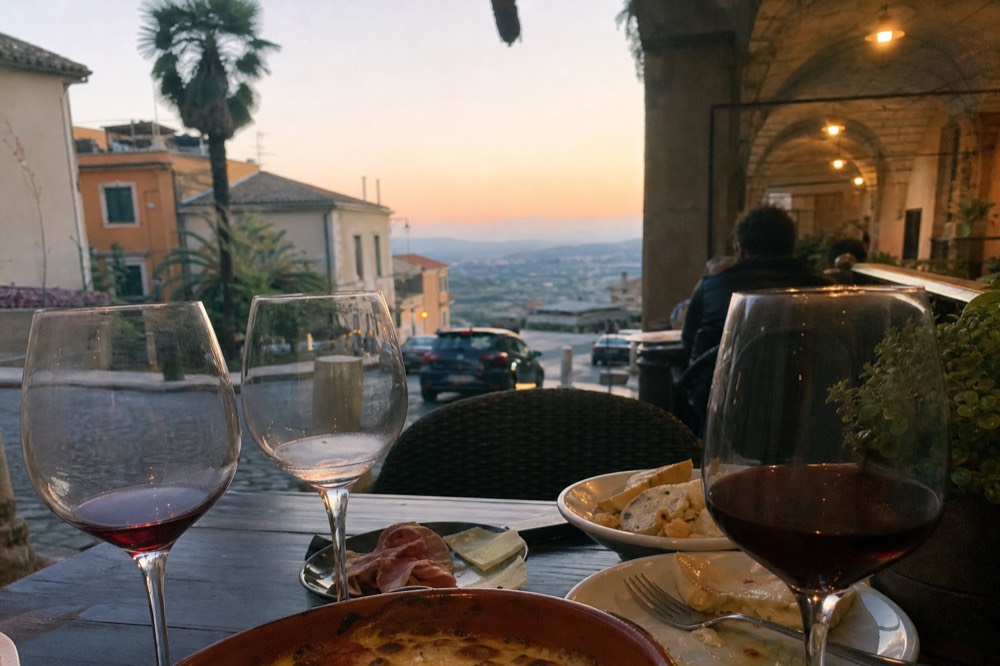
What is almost always included: all tastings, and on the wine-inclusive walks, the wine. What is almost never included: hotel pickup, extra drinks beyond the stated pours, and gratuities. Tipping is genuinely optional in Italy, though a 2026 survey of 192 tour operators found Americans are the most generous tippers worldwide, so guides are used to the gesture.
Which walking format fits your trip?
Match the format to your energy and your schedule: a 2.5-hour standing walk suits a first afternoon or a family with impatient teenagers, a 3-hour small-group walk with wine suits couples, and a 4-hour evening tour suits travelers treating the tour as dinner. Anyone who wants minimal walking at maximum comfort should look at the seated-anchor or vehicle-based formats instead.
The decision usually comes down to time of day and time on feet. Evening walks in Trastevere are the most popular single format on the roster, and for good reason: the rione is at its best after dark, and a 4-hour tour doubles as dinner. But evening walkers should know one local rule that affects the streets around them: Rome's night-time limited traffic zone in Trastevere operates from 21:30 to 03:00 on Fridays and Saturdays, and from May to October also on Wednesdays and Thursdays, per the city mobility agency's official ZTL page. A walking tour is unaffected, but any taxi or driver meeting you in the rione needs to know the rules.
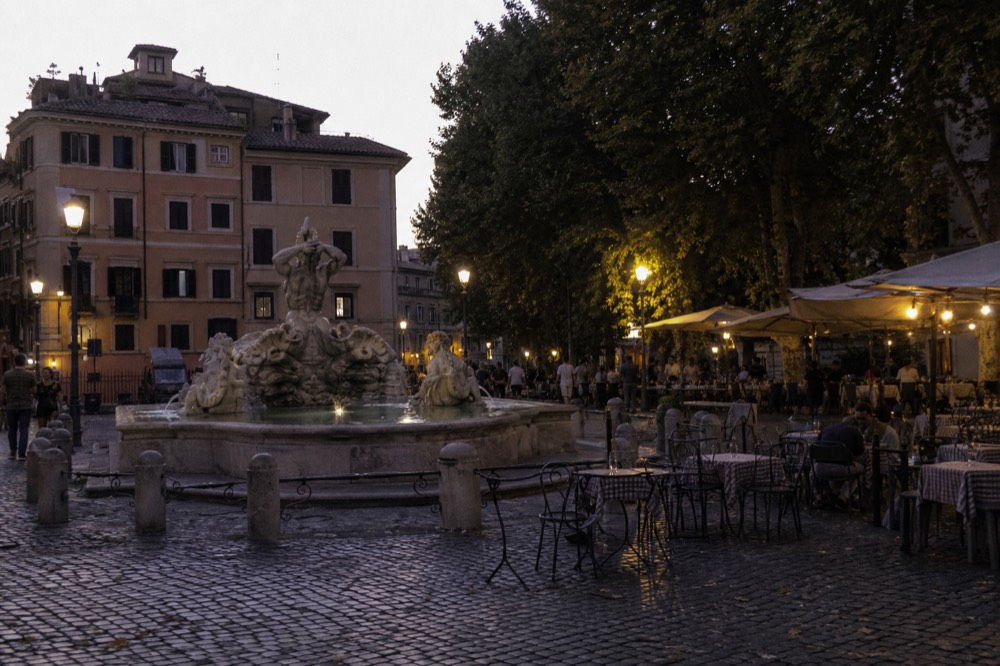
For comfort-maximal travelers, the Luxury Trastevere walk reframes the walking format entirely: same 4-hour distance, but built around seated venues and free-flowing fine wine rather than counters. It is the roster's top-rated walking experience, 5.0 from 3,492 reviews, and its price reflects the wine list.
Families have a slightly different calculus, and it is covered in detail in the family cooking classes in Rome guide: children often last longer at a cooking class than on a walk, because a class sits still. If a walk is still the plan, the shorter street food formats are the ones that fit a child's attention span.
| If you want... | Best-fit format | Roster example |
|---|---|---|
| The cheapest possible introduction | 2.5-hour standing street food walk | 2.5-Hour Street Food Walk, $52.26 |
| Wine with every stop | Small-group walk, wine included | Small-Group Trastevere, $78.97 |
| Dinner as the destination | 4-hour evening walk | Twilight Trastevere, $123.04 |
| Maximum tastings | 20+ tastings format | 20+ Tastings, Free-Flowing Wine, $120.78 |
| Comfort and seated service | Luxury walk | Luxury Trastevere, $147.89 |
| Plant-based route | Vegan street food walk | Vegan Street Food Walk, $91.75 |
How to prepare for a walking food tour
Prepare three things and the walk takes care of itself: flat shoes with grip for the cobblestones, a small water bottle for the summer months, and a light appetite strategy, meaning eat almost nothing for a few hours beforehand. Check the meeting point on the listing the day before, because several operators vary it by option.
Meeting points are the one detail that catches people out. The roster's walks start everywhere from the statue of Giordano Bruno in Campo de' Fiori to the fountain in Piazza di S. Simeone to the monument with the cross in Piazza S. Bartolomeo All'Isola, and a few operators state plainly that the meeting point varies by the option booked. Read that line on the live listing, not in a review from last year.
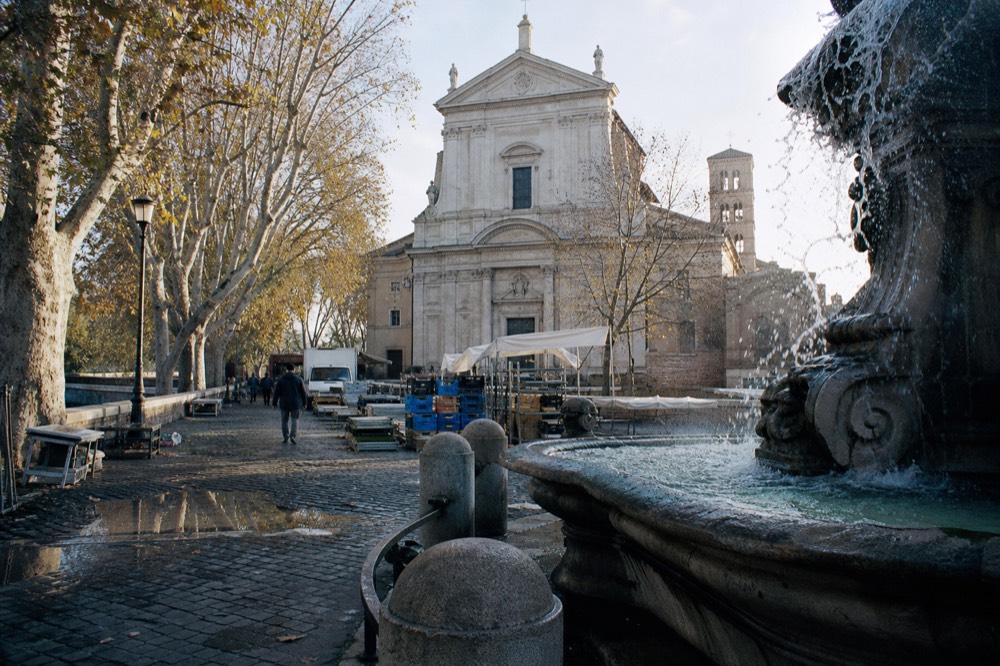
A few local rules are worth knowing before you walk. Rome's urban police regulation bans sitting to eat on monuments, fountain steps and archaeological remains, with reduced-payment fines that the city's own sanction tables set at 250 euros for that class of behaviour, so a walking tour's standing pauses in a piazza are the sanctioned way to snack. And the late-night alcohol rules in the central nightlife zones, which restrict takeaway sales and street drinking from 22:00 or 23:00, are the reason an evening tour's last glass happens at a table rather than on the street, as documented in the city's urban police regulation.
Finally, weather. Rome's summer walks run in serious heat, and the 4-hour formats have very little shade in Trastevere. If you are visiting in July or August, book the earliest evening slot available or a morning market format, and treat the walk itself as your exercise for the day.
The short answers: expect 1.5 to 3 kilometres over 2.5 to 4 hours, 5 to 9 stops, a mix of standing and sitting that the listing's wording reveals, flat shoes as non-negotiable, and evening Trastevere as the most popular slot. Rome is walkable enough to crawl alone, but a guide buys access, translation and pacing.
Common questions about walking food tours in Rome
How far do you walk on a Rome food tour?
Plan for roughly 1.5 to 3 kilometres over 2.5 to 4 hours, at a gentle pace with frequent stops. Tour listings publish durations, not distances, so treat any kilometre figure as an estimate, but the compactness of neighbourhoods like Trastevere and the historic center keeps routes short.
Are Rome food tours mostly standing or sitting?
It depends on the format. Street food tours are mostly standing, at counters and in squares. Tours that mention dinner or that run 3 hours or longer usually include at least one seated stop. The listing's wording, "street food" versus "dinner", is the clearest signal.
Is Rome walkable enough to do a food crawl without a guide?
Yes. The historic center is compact and dense with markets, bakeries and trattorias, and the city's own tourism authority promotes the rione markets as food destinations. A guide adds venue access, translation and pacing, not walkability.
What should I wear on a walking food tour in Rome?
Flat shoes with grip, above all. The sanpietrini cobbles are uneven and slick when wet. In summer, add a hat, sunscreen and a water bottle; in the evening formats, a light layer, since Trastevere cools quickly after sunset.
How many stops does a Rome food walk make?
Most walks make 5 to 9 stops, with the count scaling with duration and price. Note that tastings and stops are different: a 15-tasting tour may spread those tastings across six venues, so check the stop structure, not just the headline number.
What is the best time of day for a walking food tour in Rome?
Evening walks in Trastevere are the most popular format and double as dinner. In July and August, book the earliest evening slot or a morning market tour instead, because the 4-hour formats have little shade and serious heat.