Wine Tasting in Rome: Frascati, Enotecas and What a Tasting Should Cost
Rome sits in one of Italy's most under-rated wine regions, and the best tastings in the city cost less than most people expect. Here is what to taste, where, and how to tell a fair price from a tourist one.
Short answer
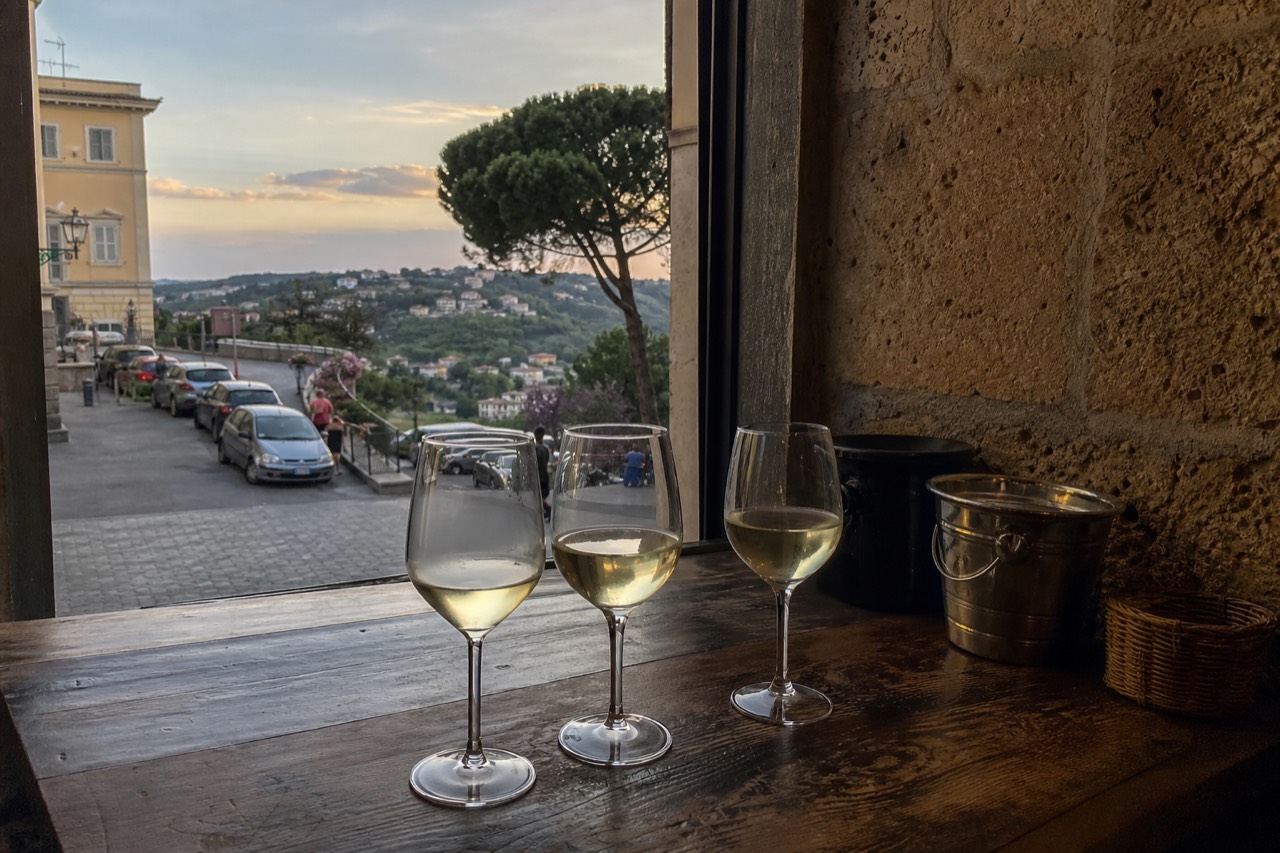
Wine tasting in Rome runs from about $76 for a guided dinner-and-wine walk to $97.55 for a private Castelli Romani tasting with hotel pickup. The local wines to know are Frascati, Cesanese and Roman reds and whites from Lazio, and the 2025 Lazio harvest was the largest in years.
Rome is one of the few major capitals where the vineyards start inside the city limits. The Roma PDO, a registered protected designation covering wines grown in the capital's own province, sits alongside Frascati, Cesanese and the wider Lazio PGI, and the region around the city is in the middle of a quiet quality push. Lazio's 2025 harvest produced 764,000 hectolitres of wine, a 5 percent increase on 2024, and Gambero Rosso's Vini d'Italia 2026 guide awarded 11 Tre Bicchieri, its top honour, to Lazio wines. That is the backdrop to every glass poured in a Roman enoteca this year, and it is why Rome Food Tours treats wine tasting as its own subject rather than a footnote to the food walks.
What does wine tasting in Rome actually look like?
Most wine tasting in Rome takes one of three shapes: a seated flight in an enoteca, a guided evening walk that pairs wine with food stops, or a half-day trip out to the Castelli Romani hills where the grapes actually grow. A seated flight means three to five glasses with a plate of cheese and cured meats, usually 90 minutes. A guided walk adds a neighbourhood and a guide's commentary. A day trip adds the vineyards themselves.
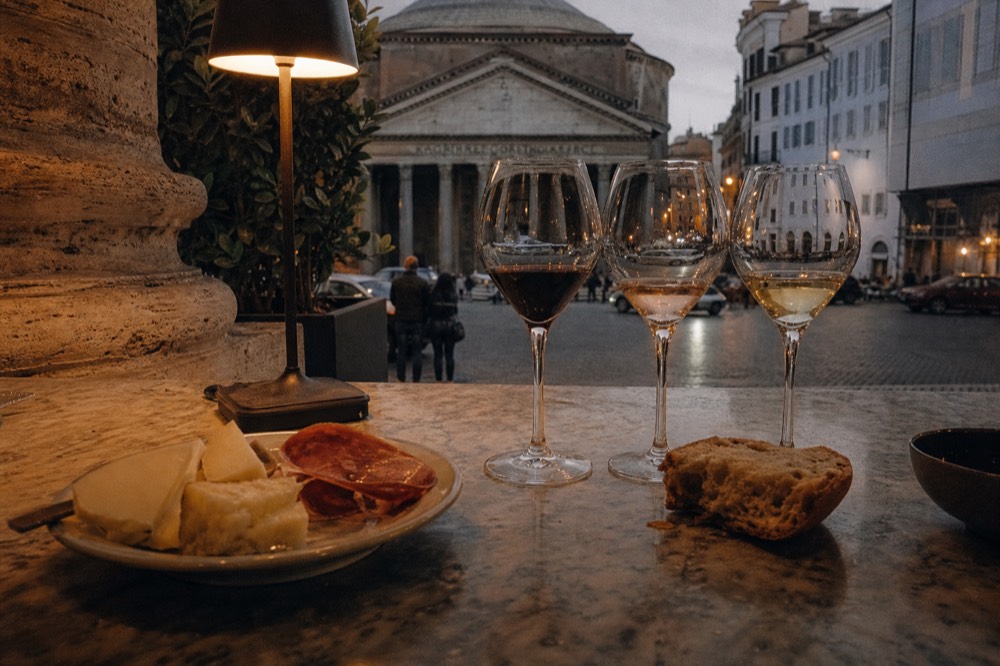
The seated flight is the cheapest and most flexible option, and it is the one Romans themselves do most often. An enoteca, the Italian wine shop that also pours, will walk you through local bottles at the counter or at a small table, and the good ones are generous with the explanation. The city has been adding to this scene: Tor Vigna, a new neighbourhood wine shop focused on natural and small-producer bottles, opened in Torpignattara in September 2025 under sommelier Vito Penna, and the type of shop it represents, informal, producer-focused, happy to open something you cannot find at home, is now common across the city.
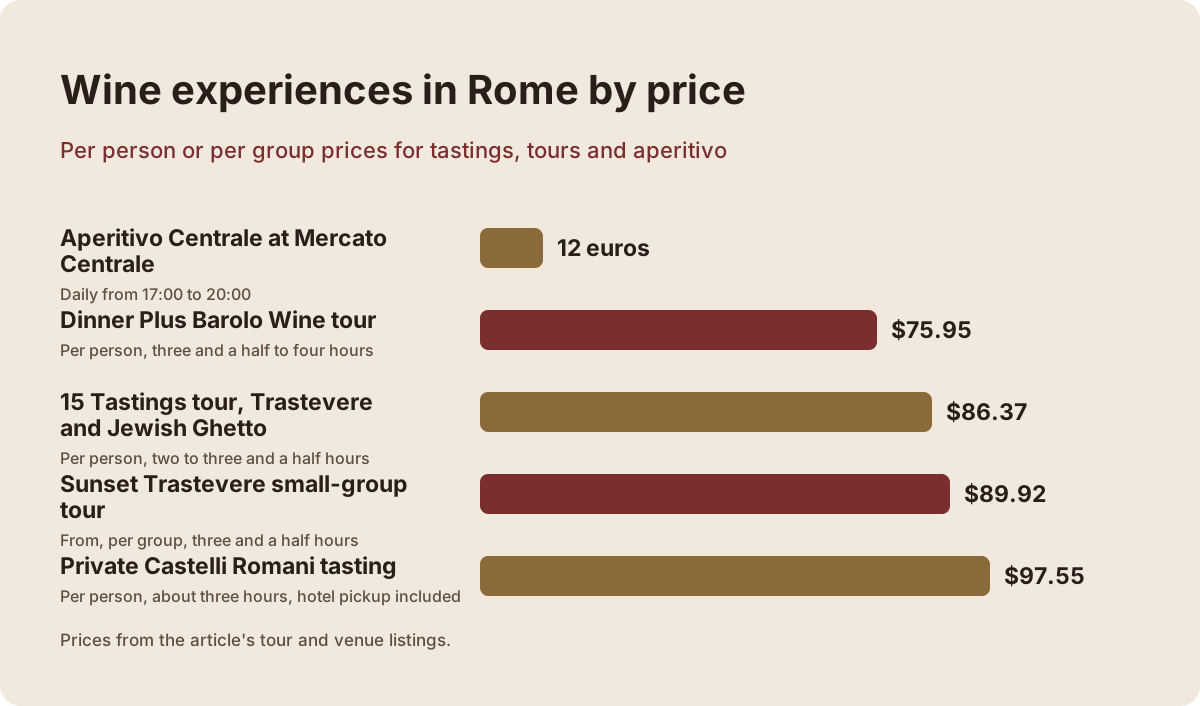
The guided walk is the format most visitors picture when they imagine a wine tour in Rome. These combine several standing or seated stops with a route through a neighbourhood such as Trastevere or the Jewish Ghetto, and they fold the wine into an evening of eating. The 15 Tastings tour in Trastevere and the Jewish Ghetto, at $86.37 per person, is a good example of the format, running two to three and a half hours with a 4.9 rating across 3,621 reviews.
The day trip is the one people underestimate. The Castelli Romani, the hill towns southeast of the city where Frascati and its neighbours are grown, are close enough that a tasting there can be a half-day outing, and the wine tastes different standing in the town where it was made. The region's credentials are strengthening: the Ministry of Agriculture recognised a new consortium for Cesanese di Olevano Romano DOP by decree published in September 2025, a sign that the local industry is organising itself around quality rather than bulk.
Which Roman and Lazio wines should you taste first?
Taste Frascati first, then a Cesanese red, then anything poured from the Roma PDO or the Lazio PGI. Frascati is the crisp white the region is famous for, made from Malvasia and Trebbiano grapes. Cesanese is Lazio's native red, soft and spicy, and it is the grape behind the region's most decorated bottles. The Roma PDO covers wines grown inside the capital's own province, vineyards inside the city's boundaries.
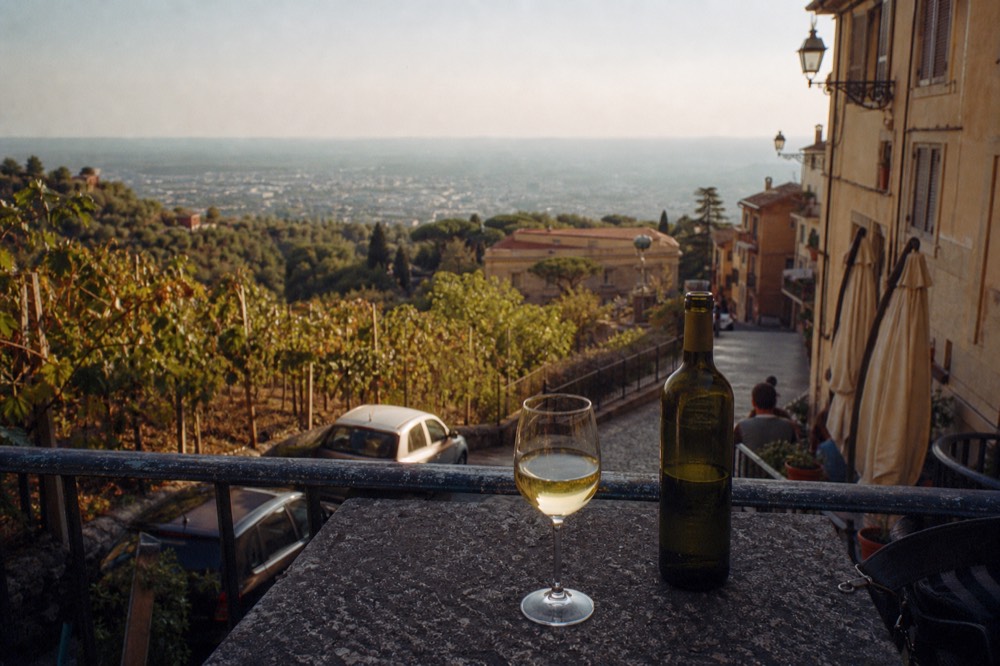
Frascati is the starting point because it is the wine Rome has drunk with dinner for two thousand years, and because the modern version has climbed well past its old bulk-wine reputation. Gambero Rosso's 2026 guide gave Tre Bicchieri to two Frascati Superiore Riservas this year, one from Gabriele Magno and one from Villa Simone, which is a strong showing for a wine that visitors often dismiss as simple. Frascati Superiore is the tighter, riper designation, and a riserva has spent more time in bottle. If an enoteca offers you a choice, take the Superiore.
Cesanese is the red to ask for by name. It is Lazio's signature black grape, and the Olevano Romano denomination that carries its name now has its own protection consortium. It pours soft and aromatic, closer to a northern Italian red in texture than to the big southern wines, and it pairs naturally with Roman pasta dishes.
| Wine | What it is | Where it comes from | What to expect |
|---|---|---|---|
| Frascati / Frascati Superiore | White, Malvasia and Trebbiano | Castelli Romani hills | Crisp, floral, the classic Roman table white |
| Cesanese di Olevano Romano | Red, native Cesanese grape | Hills southeast of Rome | Soft, spicy, medium body |
| Roma PDO | Red and white | Vineyards inside Rome province | The capital's own designation |
| Lazio PGI | Red, white and rosé | Region-wide | The broad regional label, good value |
| Bellone | White, native grape | Coastal Lazio | Mineral, structured, increasingly praised |
Bellone deserves a mention because it is the region's critics' favorite. Casale del Giglio's Anthium Bellone 2024 took a Tre Bicchieri in the 2026 guide, and the grape, an ancient native variety rescued from near extinction, produces whites with more structure than Frascati. A tasting that includes a Bellone alongside a Frascati tells you the whole story of where Lazio wine has been and where it is going.
If you want to cover this ground with a guide rather than alone, these are the formats worth comparing:
The private Castelli option takes you to the source, the Trastevere luxury tour keeps you in the city with free-flowing fine wine, and the pasta class pairs the wine with cooking rather than walking. Each suits a different kind of evening.
Where can you taste wine inside the center of Rome?
The center's tasting options split between enotecas you can walk into, market-hall counters that pour by the glass, and guided evening tours that build a route around the wine. Enotecas in Monti, Trastevere and near the Pantheon pour local flights without a booking on most nights. Mercato Centrale runs a daily aperitivo, a drink plus snacks for 12 euros, from 17:00 to 20:00. Guided tours add a structure and a neighborhood's worth of stops.
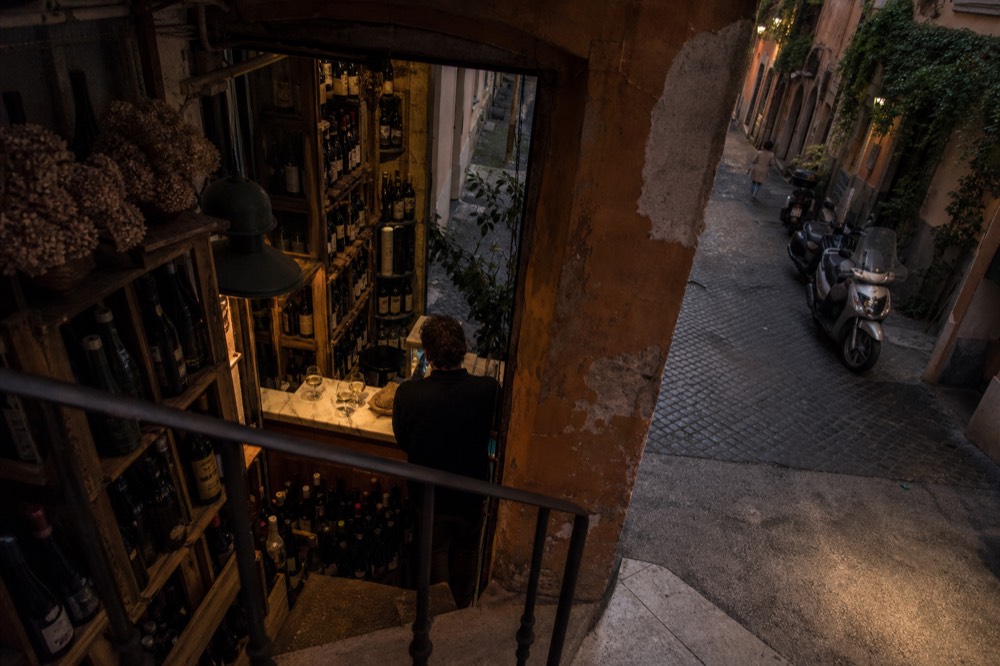
Monti is the neighbourhood to start in if you like choosing your own route. The rione, Rome's first, is described by the city's own tourism portal as full of wine bars and one of the districts of Roman nightlife, and its density of enotecas within a few streets makes it easy to compare two or three in one evening. Trastevere works better after dark, when its tasting rooms and wine bars fill up and the guided groups are out in force. Near the Pantheon and Campo de' Fiori you are paying slightly more for location, but the selection is deep.
The market-hall option is the one most visitors miss. Mercato Centrale, the food hall above Termini, launched Aperitivo Centrale in September 2025, a drink plus selected snacks for 12 euros daily from 17:00 to 20:00, and the format, a stand-up aperitivo among the food stalls rather than a seated tasting, is the cheapest structured wine-and-food experience in the center. For the fuller version of that idea, the aperitivo guide for Rome covers the ritual in detail.
Guided evening tours are the middle path, and the roster in the city is deep. The Dinner Plus Barolo Wine tour, $75.95 per person and rated 4.9 across 2,676 reviews, pairs a full dinner with a serious red wine over three and a half to four hours. The Sunset Trastevere small-group tour, from $89.92 per group, spends three and a half hours on food and wine in Rome's most atmospheric evening neighbourhood. Both solve the same problem: you get the wine, the food and the geography explained without planning anything yourself.
If the idea of leaving the city for the vineyards appeals more than another evening walk, the private Castelli Romani tasting is the tour to check first: hotel pickup is included, the price is $97.55 per person, and it runs about three hours, which leaves the rest of the day open. You can also read about the private Castelli Romani wine tasting or Check availability on the live listing.
Is Frascati and the Castelli Romani worth a day trip?
Yes, if you have three or more days in Rome. The Castelli Romani towns, Frascati, Castel Gandolfo, Marino and their neighbours, sit in the hills half an hour to an hour southeast of the city, and they are where Frascati and most of Lazio's best-known wines are grown. Tasting there means drinking in the town that made the bottle, usually with a view, and often for less than the same wine costs in the center.
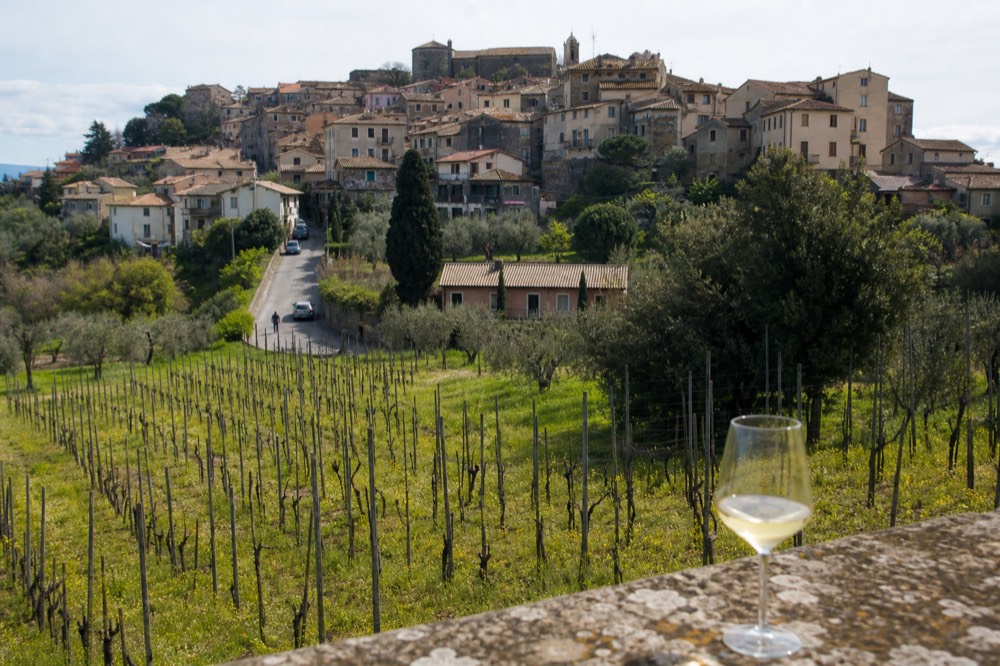
Frascati itself is the classic destination: a small town of wine cellars and villas where the local cantine pour straight from the barrel. Castel Gandolfo, the papal summer residence town on the rim of a volcanic lake, adds the best view in the district. Marino is quieter and more local. The train from Rome to Frascati is short and cheap, but the connections between towns are thin, which is why most visitors who want more than one winery end up on a tour or in a hired car.
The wine is the reason to go, and it is improving. Lazio's 2025 harvest came in at 764,000 hectolitres, up 5 percent on 2024, per ISMEA data confirmed by Coldiretti Lazio, and the region's producers are increasingly bottling estate wine rather than selling grapes to bulk buyers. The new Cesanese di Olevano Romano consortium, recognised in September 2025, is part of the same shift.
The private tasting tour is the low-friction way to do this. At $97.55 per person with hotel pickup included, rated 4.5 from 47 reviews, it handles the transport problem that makes the Castelli awkward independently, and three hours is short enough to combine with an evening back in Rome. If you would rather build the day yourself, go to Frascati by train, book one cantina tasting in advance, and accept that one town is a realistic maximum without a car.
How much should a wine tasting in Rome cost?
A guided wine tasting in Rome costs $52.26 to $147.89 per person, with budget food-and-wine walks starting at $52.26, mid-range dinner-and-wine tours at $75.95 to $89.92, and premium free-flowing formats reaching $120.78 to $147.89. If you prefer to go self-guided, an enoteca flight of 12 to 25 euros is the cheapest option, and day trips with tastings fall in the same range once transport is added.
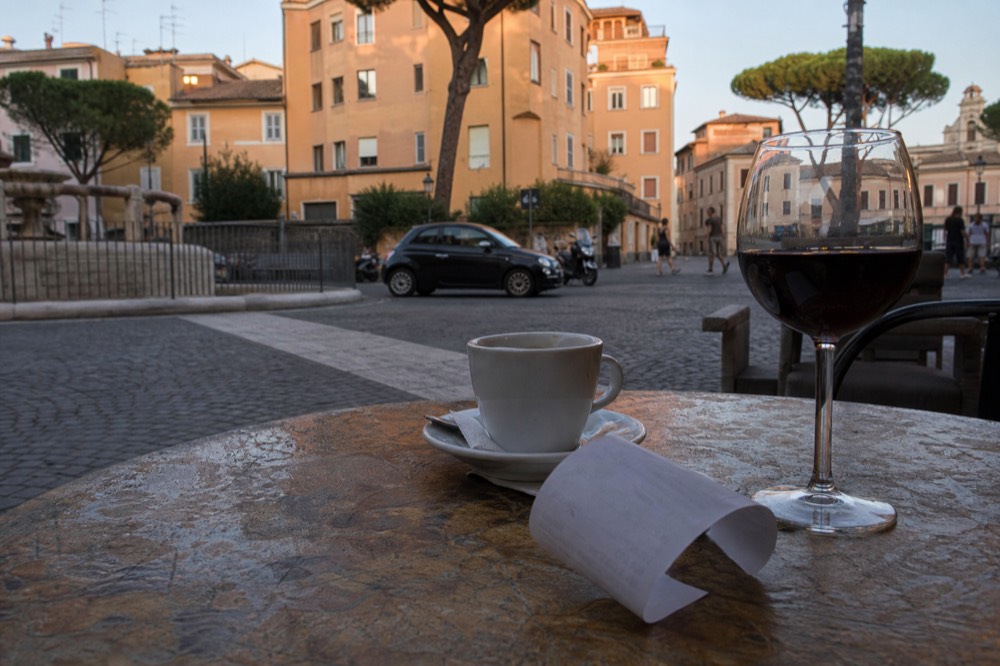
The guided range reflects real differences in what is included, not just markup. At the bottom of the range, the 2.5-Hour Street Food Walk at $52.26 includes wine as part of a street-food route rather than as the focus. In the middle, the Dinner Plus Barolo tour at $75.95 and the Sunset Trastevere tour from $89.92 per group both build a full meal around the pours. At the top, the Luxury Trastevere tour at $147.89 per person pours free-flowing fine wine for four hours and carries a perfect 5.0 rating from 3,492 reviews, and the 20+ Tastings tour at $120.78 makes quantity the selling point.
| Format | Typical price | What is included | Best for |
|---|---|---|---|
| Enoteca flight, self-guided | 12-25 euros | 3-5 glasses, often with snacks | Budget, flexibility |
| Market aperitivo | 12 euros | One drink plus snacks | A cheap structured stop |
| Street food walk with wine | From $52.26 per person | Several stops, wine included | First evening in the city |
| Dinner and wine tour | $75.95-$89.92 per person | Full dinner, multiple wines | A full evening out |
| Premium free-flowing tour | $120.78-$147.89 per person | Unlimited fine wine, dinner | A splurge night |
| Castelli Romani day trip | From $97.55 per person | Transport, tastings | Seeing the vineyards |
Two cautions on price. First, a per-group price is not a per-person price: several tours in Rome, including the Sunset Trastevere tour and the Hidden Gems dinner tour, quote per group with the total varying by size, so read the listing carefully before comparing. Second, the free-cancellation terms on most of these tours mean booking early costs nothing if plans change, and the popular evening walks do sell out in high season.
Is a wine tasting a better buy than a full food tour?
A tasting is the better buy if your goal is to understand Roman wine, if you are eating well on your own, or if your budget is tight. A full food tour is better if you want dinner solved, a neighbourhood explained, or a first night in the city taken care of. The price gap is real: a wine-focused walk starts around $76, while the most complete food tours run $120.78 to $147.89.
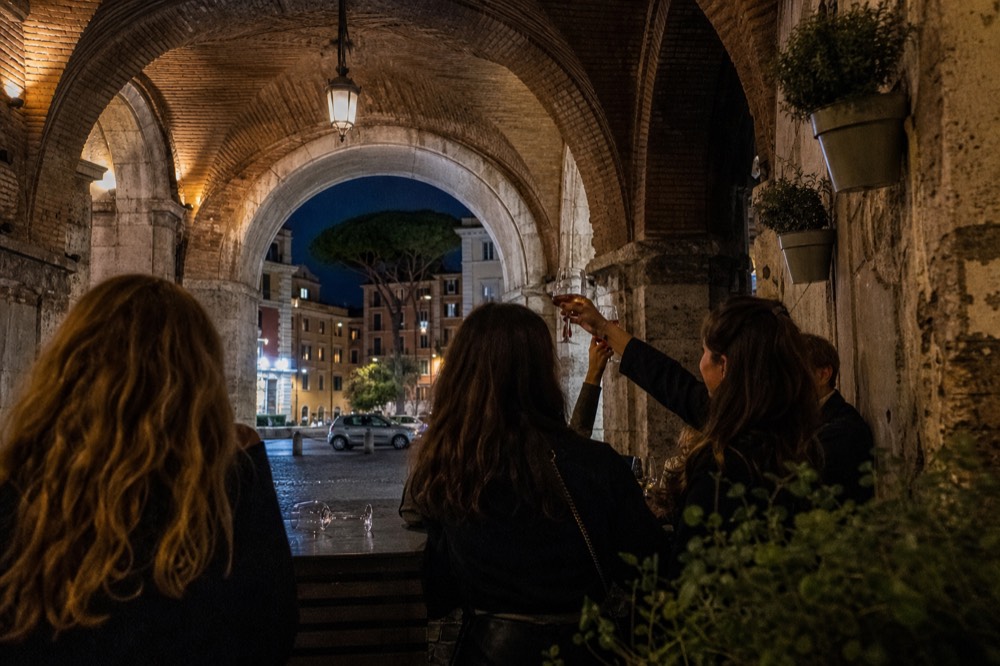
The honest answer depends on what you would otherwise do with the evening. If you have a restaurant booked and you want the wine education, a seated tasting or a short wine walk gives you the knowledge and leaves your dinner intact. The Dinner Plus Barolo tour is the hybrid: it is priced like a tasting-plus-dinner and delivers both, which is why its 2,676 reviews at 4.9 are among the deepest in the city.
If you are deciding between the two for a single big night out, the full food tour usually wins on value, because it replaces a meal you would pay for anyway. The is a food tour worth it in Rome question gets a full treatment elsewhere on this site, but the short version for wine drinkers is this: the tours that pour the most wine per dollar are the ones that advertise wine in the title, and the ones that mention wine last are food tours with a glass attached.
The Barolo dinner tour is the cleanest example of the hybrid format working as a wine experience: the red wine is the headline, dinner is the vehicle, and at $75.95 per person it undercuts most pure food tours while pouring a wine that would cost most of that price by the bottle in a restaurant.
How do you book, and what should you know before you go?
Book evening wine walks two to three days ahead in high season and day trips a week ahead, because the small-group formats fill first. Check the meeting point carefully, since several tours list variable starting locations depending on the option booked. Most guided tastings allow free cancellation, so booking early carries little risk. Wear comfortable shoes for the walking formats, and eat something before a tasting that is not also a dinner.
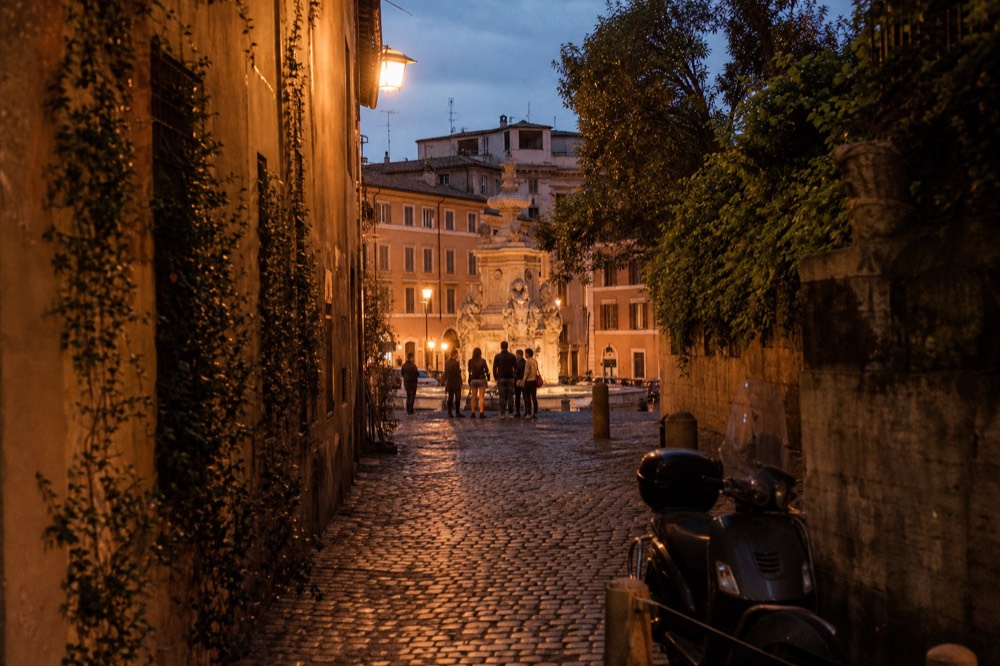
Meeting points are the detail that trips people up. Some tours, like the Street Food Walk from Campo de' Fiori, give a precise statue-and-sign description. Others, including the Dinner Plus Barolo tour and the Fresh Pasta class, state that the meeting point varies by the option booked, which means you must read your confirmation rather than assuming. Arrive ten minutes early; the Hidden Gems tour asks for exactly that, and the others imply it.
Timing matters more for wine than for food. Roman wine culture runs on the aperitivo hour, roughly 17:00 to 20:00, and the evening walks are built around it. The late-night rules in the central zones are worth knowing too: the city's urban police regulation restricts takeaway alcohol sales and street drinking in the nightlife zones from 22:00, which affects what you can carry out of a shop afterwards, though not what you drink seated at a table or on a licensed terrace.
One more planning note that is easy to miss: if your tasting is in Trastevere and you are staying outside the center, the neighbourhood's night traffic zone runs Wednesdays to Saturdays from 21:30 to 3:00, so a taxi or a walk from the tram beats driving in. Any tour with a vehicle, including the golf cart formats, handles permits on your behalf.
What should you pair with the local wines?
Pair Frascati and other Lazio whites with fried artichokes, seafood and fresh pasta in light sauces, and pair Cesanese and other Roman reds with the four classic Roman pastas and roast lamb. The rule of thumb is regional: Lazio wine with Lazio food. The whites cut through the fried and salty dishes of Roman Jewish cooking, and the reds stand up to pecorino and guanciale.
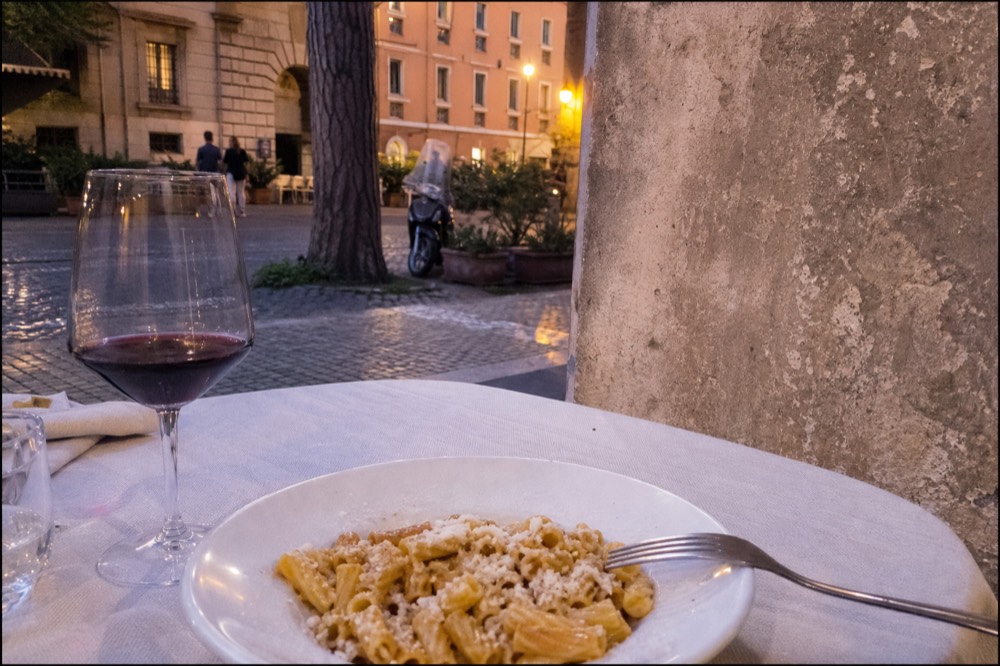
The pairings are not marketing, they are geography. Pecorino Romano, the sheep's milk cheese grated over cacio e pepe and the other Roman pastas, is a registered PDO made in Lazio and Sardinia, and its salty sharpness is what a soft local red is built to meet. The Roman artichoke, the Carciofo Romanesco del Lazio PGI, is harvested from January into May, and its fried form, carciofi alla giudia, is the dish a Frascati exists to accompany.
| Wine | Pair it with | Why it works |
|---|---|---|
| Frascati Superiore | Fried artichokes, fish, light pasta | Acidity cuts oil and salt |
| Bellone | Seafood, vegetables, aged pecorino | Mineral structure matches both |
| Cesanese | Carbonara, gricia, roast lamb | Soft tannins against pecorino richness |
| Roma PDO red | Amatriciana, offal dishes | Regional match, moderate weight |
| Sweet local wine | Biscotti, ricotta desserts | The classic end-of-meal pour |
If the pairing idea appeals more than the walking, a cooking class with wine included covers the same ground from the kitchen side. The Pasta Class by Pantheon, $68.52 per person with wine, dessert and limoncello included, rated 4.9 from 3,493 reviews, is the strongest of the format in the center.
And if the evening you actually want is the indulgent one, the Luxury Trastevere tour pours free-flowing fine wine across four hours for $147.89 per person, and its perfect 5.0 rating from 3,492 reviews suggests the format delivers what it promises. For the sweeter end of the evening, the gelato tours in Rome are the natural follow-on.
Wine tasting in Rome costs from 12 euros for a market-hall aperitivo to $147.89 per person for a four-hour free-flowing luxury tour, with most guided wine walks and dinners between $76 and $97.55. The local wines to ask for are Frascati, Cesanese and Bellone, and the Castelli Romani hills are a realistic half-day trip.
Common questions about wine tasting in Rome
What is the best wine region near Rome?
The Castelli Romani hills southeast of the city, home of Frascati, are the classic answer, and the Cesanese country around Olevano Romano is the red-wine alternative. Both are within reach of a half-day trip.
How much does wine tasting in Rome cost?
Self-guided enoteca flights run about 12 to 25 euros, guided wine-focused walks and dinners run $75.95 to $147.89 per person, and the private Castelli Romani tasting with hotel pickup is $97.55 per person.
Can you do a wine tasting in Rome without a tour?
Yes. Enotecas in Monti, Trastevere and the historic center pour flights without a booking on most nights, and Mercato Centrale runs a daily 12-euro aperitivo from 17:00 to 20:00.
Is Frascati worth the trip from Rome?
If you have three or more days, yes. The town is a short train ride from Rome, its cantine pour straight from the source, and the 2025 Lazio harvest, up 5 percent on 2024, means the current vintages are plentiful.
What is Cesanese wine?
Cesanese is Lazio's native red grape, soft and spicy, best known through the Cesanese di Olevano Romano denomination, which received its own protection consortium by ministerial decree in September 2025.