Aperitivo in Rome: The Hour, The Price And Where To Do It Properly
Aperitivo is the pause between the working day and dinner, and Romans take it seriously. Here is what the hour actually looks like in Rome, what a fair price is, which neighbourhoods get it right, and how it slots in before a dinner that rarely starts before eight.
Short answer
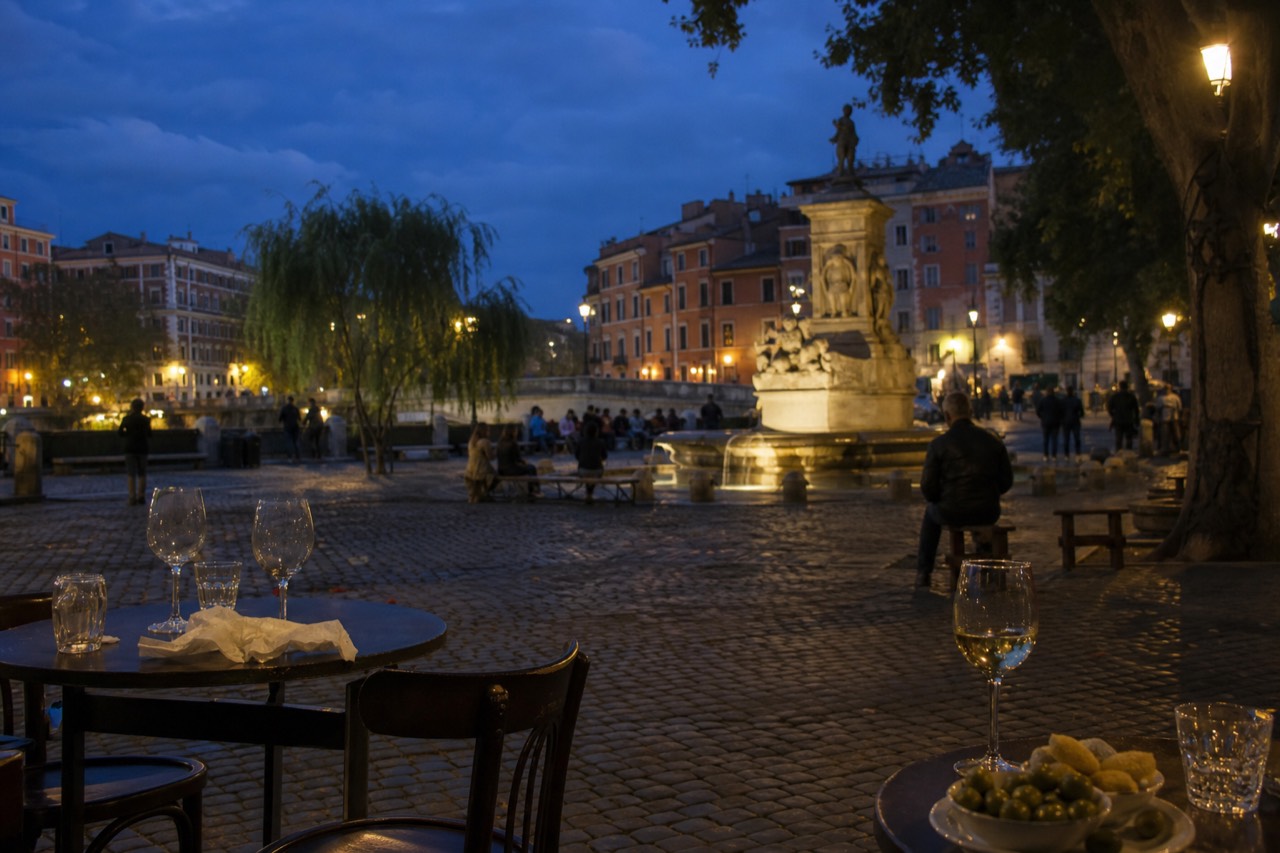
Aperitivo in Rome runs roughly from 6pm to 8pm, before dinners that start at 8pm or later. A drink plus a snack spread in a central bar typically costs 8 to 15 euros, though a simple standing coffee-bar counter drink costs far less. Trastevere, Monti and the Jewish Ghetto do it most properly.
The cannon on the Janiculum fires at noon and Romans check their watches; aperitivo has no cannon, but it has a clock all the same. Somewhere around six in the evening the city shifts weight from work to pleasure, and the bars fill with people who have no intention of eating dinner yet. This is the hour the rest of Italy calls aperitivo, and Rome does it with its own timing, its own price logic and its own neighbourhoods that do it properly. This guide covers the hour itself, what the spread should cost, where to find the real thing, and how the ritual slots in before a Roman dinner that rarely begins before eight. It also flags the local rules most visitors never hear about, from the late-night alcohol restrictions in the nightlife zones to the wine country an hour from the bar stool.
What exactly is aperitivo in Rome?
Aperitivo is the Italian pre-dinner drink ritual: a glass of wine, a bitter aperitif or a spritz taken with small savory snacks in the early evening, meant to open the appetite rather than replace the meal. In Rome it runs about 6pm to 8pm and is as much a social pause as a food event, a fixed bridge between the end of the workday and a dinner that starts late.
The word comes from the Latin aperire, to open, and that is the honest job description: an aperitivo opens the appetite. What separates the ritual from a plain after-work drink is the pairing of bitter drinks and small food. The bitterness matters. Aperitivo drinks in Italy lean on bitter orange, gentian, wormwood and quinine, flavours that historically were sold as digestive aids, and the snack board exists to keep the drink company rather than to fill you up.
Rome's version has a slightly rougher, less designed feel than Milan's, where the ritual was industrialised into the buffet-plus-cocktail formula many people picture. In Rome you will find everything from a standing bitter at a coffee-bar counter to a full stuzzicherie spread on a rooftop, and both are legitimate. The city's own history with the hour is tied to its café culture: the coffee bar is the backbone of Roman daily drinking, and the aperitivo slot simply extends that counter culture into the evening. In December 2025 the average espresso at the counter in Rome cost 1.35 euros according to FIPE, the Italian federation of bars and restaurants, using ISTAT data, which tells you how cheaply a Roman bar can sell a drink when it wants to. The aperitivo markup is therefore a choice, not a necessity, and knowing that changes where you spend.
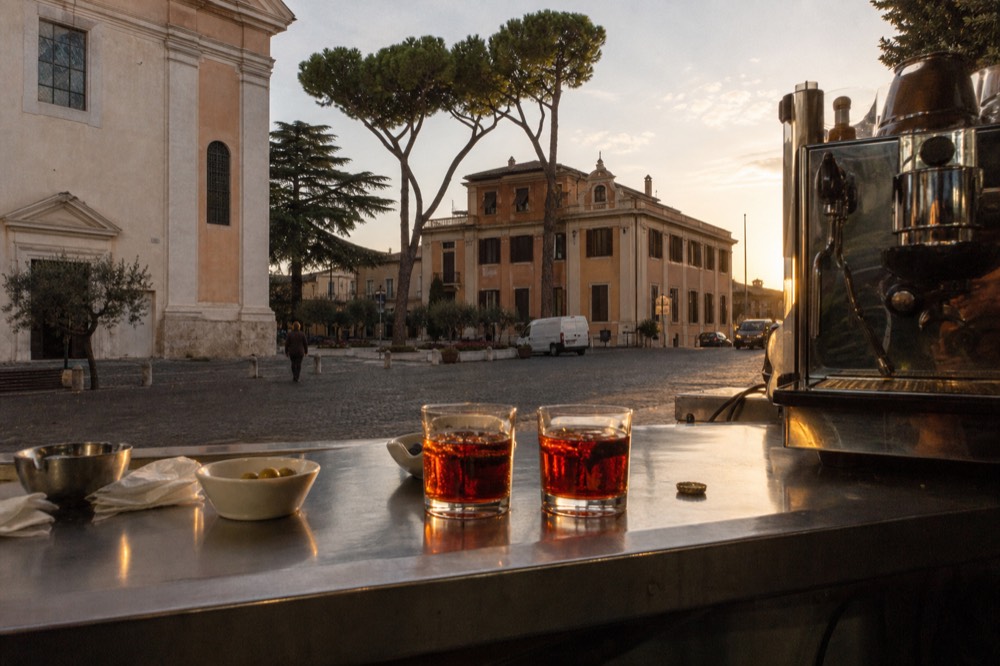
There is also a calendar logic to it. Romans treat aperitivo as a Friday and Saturday fixture and a weekday bonus, and in summer the whole ritual slides outdoors, onto piazzas and riverbank terraces. UNESCO added Italian cuisine to its intangible cultural heritage list in December 2025, the first national cuisine to receive the designation, and while that recognition covers the whole table rather than one hour of it, it is a useful reminder that the aperitivo pause is part of a living practice, not a tourist invention.
What time is aperitivo in Rome, really?
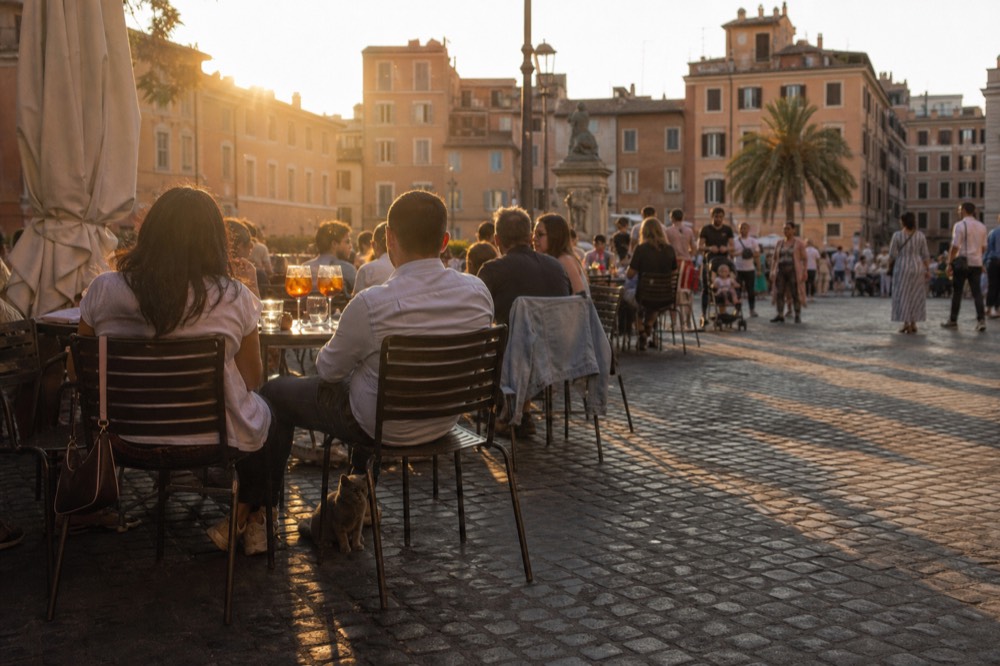
Plan on 6pm to 8pm. Romans drift into bars from around six, the peak is between 6:30 and 7:30, and the hour empties as dinner service begins at 8 or 8:30. On Fridays and Saturdays the tail runs later, and in summer the outdoor season stretches the whole thing toward 9pm in nightlife zones.
The timing is not arbitrary, it is downstream of dinner. Romans eat dinner late, a habit with its own rhythms worth reading about in what time Romans eat dinner, and the aperitivo slot exists precisely because nobody is hungry at six. Arrive at a Roman trattoria at 6:30 and you will often find it empty or not yet open; arrive at the bar next door and you will find it full. The two clocks are one system.
| Slot | What is happening | Notes |
|---|---|---|
| 5pm to 6pm | Merenda tail end, few aperitivo takers | Bars quiet, good for a seat |
| 6pm to 7pm | Aperitivo proper begins | Counter service still easy |
| 7pm to 8pm | Peak hour | Tables fill, spreads come out |
| 8pm onward | Wind-down, dinner shift | Nightlife zones keep going |
One structural note for the evening: Rome's nightlife zones, including Trastevere, sit under a city ordinance restricting night-time takeaway alcohol sales, renewed in January 2026 and running to 11 October 2026, on top of the standing rules in the urban police regulation. That affects bottles bought to carry away after 10pm, not drinks served at a table. A seated aperitivo is untouched by it, but it is worth knowing the map if your evening plans to wander with a drink in hand afterward.
If you would rather have the whole evening handed to you, a guided walk is the low-effort version of the same hour:
The trio above spans three formats: a dinner-length walk with paired Barolo, a small-group Trastevere evening tour, and a private golf-cart format for covering more ground between stops. Each suits a different kind of evening, and the operator's live listing carries the current times and inclusions.
How much should aperitivo cost in Rome?
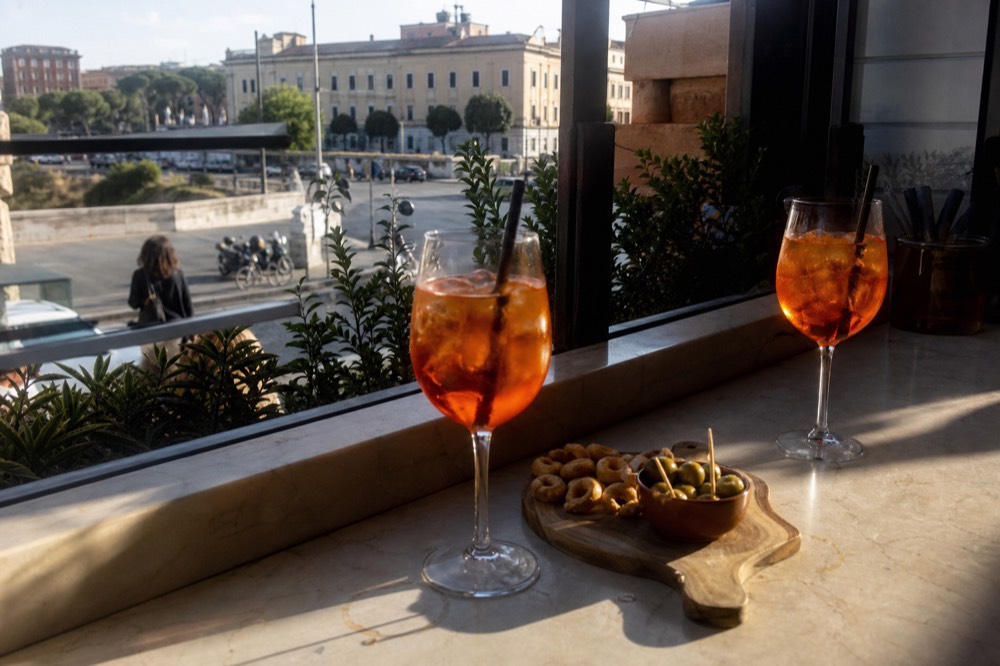
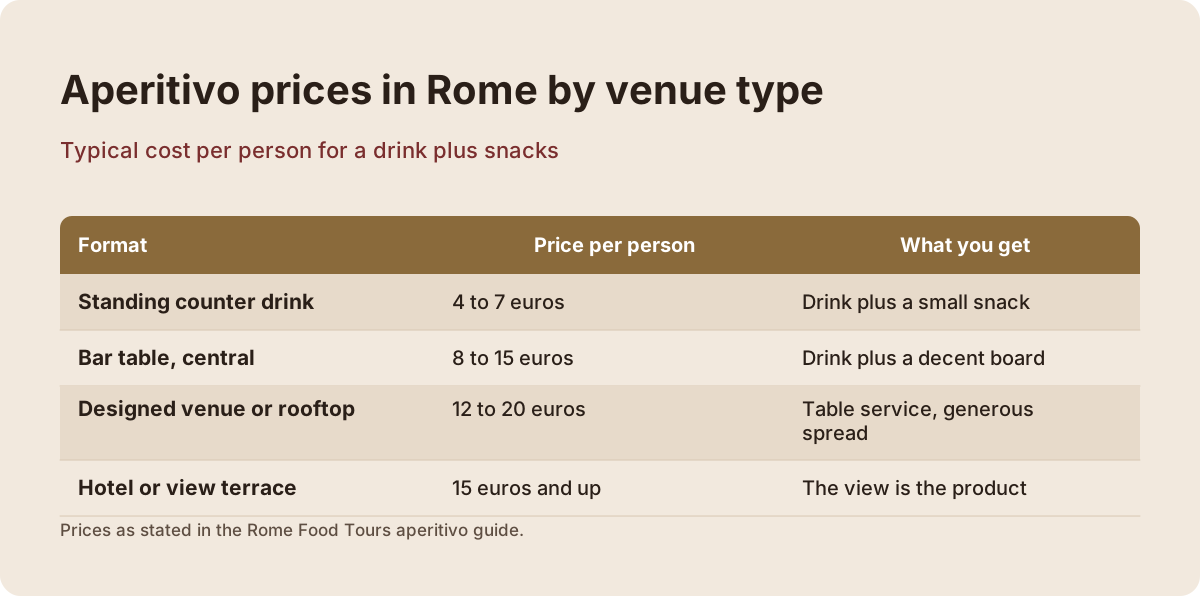
Expect 8 to 15 euros per person for a drink plus a snack spread at a central Roman bar, and 12 to 20 euros at designed venues with table service and a generous board. A standing drink at a coffee-bar counter with a couple of chips can cost 4 to 7 euros. Prices cluster around the drink, and the food should feel included rather than sold.
The honest structure of an aperitivo price is that you are paying for the drink and the seat, and the food rides along. When a bar charges 12 euros for a spritz and lays out a proper spread, that is the normal Roman deal. When it charges 12 euros and hands you three olives, you are paying a tourist premium, and you should finish the drink and try elsewhere tomorrow.
| Format | Typical price per person | What you should get |
|---|---|---|
| Standing counter drink | 4 to 7 euros | Drink plus a small snack |
| Bar table, central | 8 to 15 euros | Drink plus a decent board |
| Designed venue or rooftop | 12 to 20 euros | Table service, generous spread |
| Hotel or view terrace | 15 euros and up | The view is the product |
There are anchors that keep the lower end honest. Mercato Centrale, the food hall near Termini, launched an Aperitivo Centrale format in September 2025: a drink plus selected snacks for 12 euros, daily from 5pm to 8pm, per the market's own announcement. That is a fair, published benchmark for a drink-plus-snacks package in a central location, and you can compare any offer you meet against it. At the other end, restaurant and bar prices in Italy rose 2.9 percent year-on-year as of June 2026 per ISTAT, so a range quoted in a guidebook from a few years ago will read low today.
Two rules protect you at the table. Lazio law prohibits a separate coperto charge in food service establishments, with fines from 2,500 to 7,500 euros for violations, and any service charge must be clearly shown on the price list before you order. In practice: if a printed menu shows pane e coperto as a line on your aperitivo bill, you are within your rights to question it. Do not expect every venue to comply perfectly, the law is the rule, not a guarantee, but knowing it exists changes the conversation.
Which neighbourhoods do aperitivo properly?
Trastevere, Monti and the Jewish Ghetto are the three neighbourhoods where aperitivo is done properly in Rome. Trastevere gives the classic evening piazza scene, Monti a more local wine-bar version, and the Ghetto a food-forward one. Prati and the Campo de' Fiori side are quieter alternatives with fewer tourist premiums.
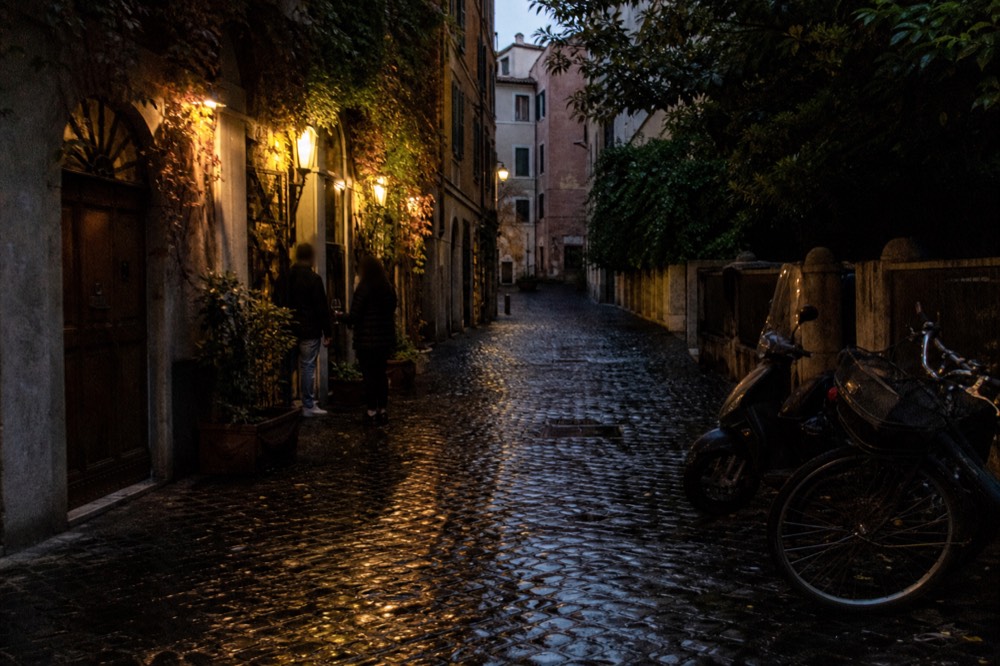
Trastevere is the headline, and it earns it. The rione is the largest in Rome, its name from the Latin trans Tiberim, beyond the Tiber, and its evening economy runs on the ritual. The trade-off is crowds: the neighbourhood is under active night-time management, with a police operation in September 2026 issuing over 50,000 euros in fines against venues flouting the rules, including a gelateria operating as a pub. That crackdown targets operators, not customers, but it tells you the piazza scene at peak hour is intense. Go at 6 rather than 8 and you get the same stones with room to breathe. Our Trastevere food tours guide covers the neighbourhood in depth for the eating that follows the drinks.
Monti is the connoisseur's answer. Rione I sits between the Forums and the Esquiline, full of wine bars and galleries, and its aperitivo skews toward natural wine and a glass of something Lazio rather than a factory spritz. The Jewish Ghetto does it food-first: the quarter's kosher bakeries and fried specialties mean the snack side of the hour is unusually serious. Our Jewish Ghetto food tours guide maps the eating side.
| Neighbourhood | Character | Best time to arrive | Watch out for |
|---|---|---|---|
| Trastevere | Classic piazza scene, biggest choice | 6pm to 6:30pm | Peak-hour crowds, upsells |
| Monti | Wine-bar, local feel | 6:30pm | Small venues fill early |
| Jewish Ghetto | Food-forward, seated | 6pm | Kitchen closes earlier |
| Prati | Calm, residential | Any time | Fewer designed venues |
| Campo de' Fiori side | Young, bar-heavy | 7pm | Party more than aperitivo |
The sunset hour in Trastevere is also the moment a small-group evening walk makes the most sense, since a guide who knows the side streets simply skips the queues you would find on your own. The Devour Rome evening tour of the neighbourhood, listed from $89.92 per group with price varying by group size, is built around exactly that hour, running 3 hours 30 minutes from Piazza di San Cosimato with a 4.9 rating across 665 reviews.
What do Romans actually drink at aperitivo?
The core Roman aperitivo drinks are the spritz, with Aperol, Campari or Select; vermouth, which is having a genuine revival; and local Lazio wine, above all Frascati and Cesanese. A negroni or an americano covers the bitter end, and a glass of prosecco is the neutral default. Coffee is never part of the hour.
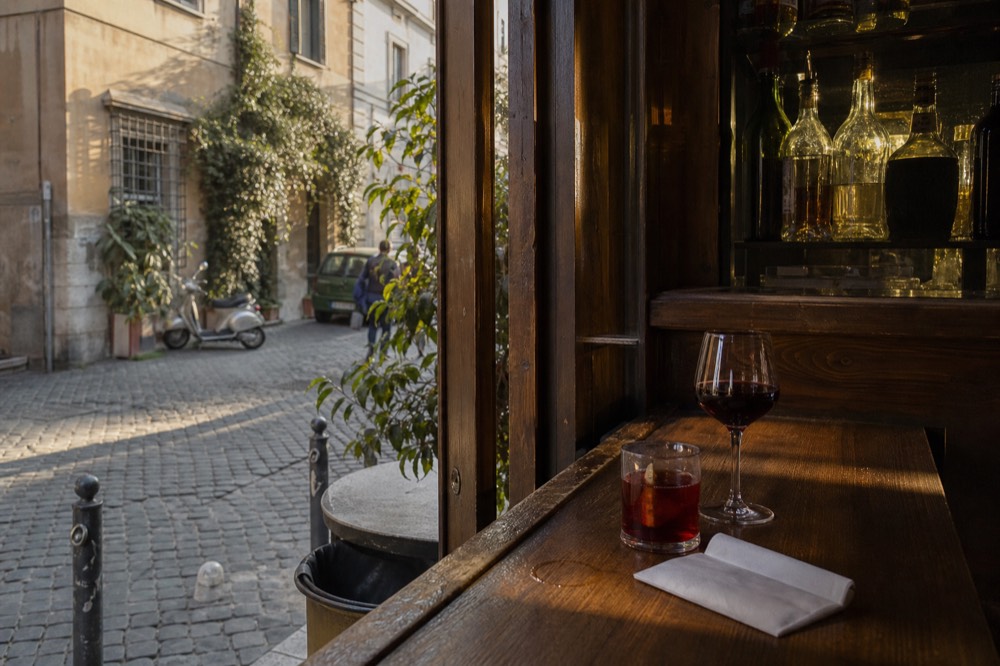
The spritz family is the visible default, but the more interesting story is vermouth and local wine. Turin may own vermouth's history, yet Rome's bars pour it well, and the bitter aperitif category is the one place where the ritual's pharmacy origins still show on the label. The bigger shift is in Lazio wine. The region's 2025 harvest produced 764,000 hectolitres, up 5 percent on 2024 according to ISMEA data confirmed by Coldiretti Lazio, and the quality story has moved with it: Gambero Rosso's Vini d'Italia 2026 guide awarded 11 Tre Bicchieri, its top rating, to Lazio wines, including a Frascati Superiore Riserva and a Cesanese among them. The Ministry of Agriculture also recognised a new consortium for Cesanese di Olevano Romano DOP in September 2025, a sign the region's own red is being taken seriously at the institutional level.
| Drink | What it is | When to order it |
|---|---|---|
| Aperol or Campari spritz | Bitter-orange aperitif, prosecco, soda | The default social order |
| Vermouth on ice | Fortified aromatised wine | When you want low-alcohol |
| Frascati | Lazio's classic white, light and dry | With fish-forward snacks |
| Cesanese | Lazio's native red, soft and spicy | With cured meats |
| Negroni | Gin, vermouth, bitter, equal parts | When one drink is the whole plan |
Practical ordering notes: Romans drink spritzes slower than visitors do, and a single drink plus the spread is a normal, complete aperitivo, not a starter. Asking for the wine by the local name, Frascati or Cesanese, will usually get you a better glass than asking for the house white. And if the hour turns into a full evening of tastings, the Barolo-paired dinner walk below is the grown-up version of the same instinct: a 3.5 to 4 hour tour from $75.95 per person, rated 4.9 across 2,676 reviews, that turns the aperitivo slot into a moving dinner.
For the wider landscape of tasting rooms and enotecas, our wine tasting in Rome guide covers where the pours are serious.
What do you eat at aperitivo in Rome?
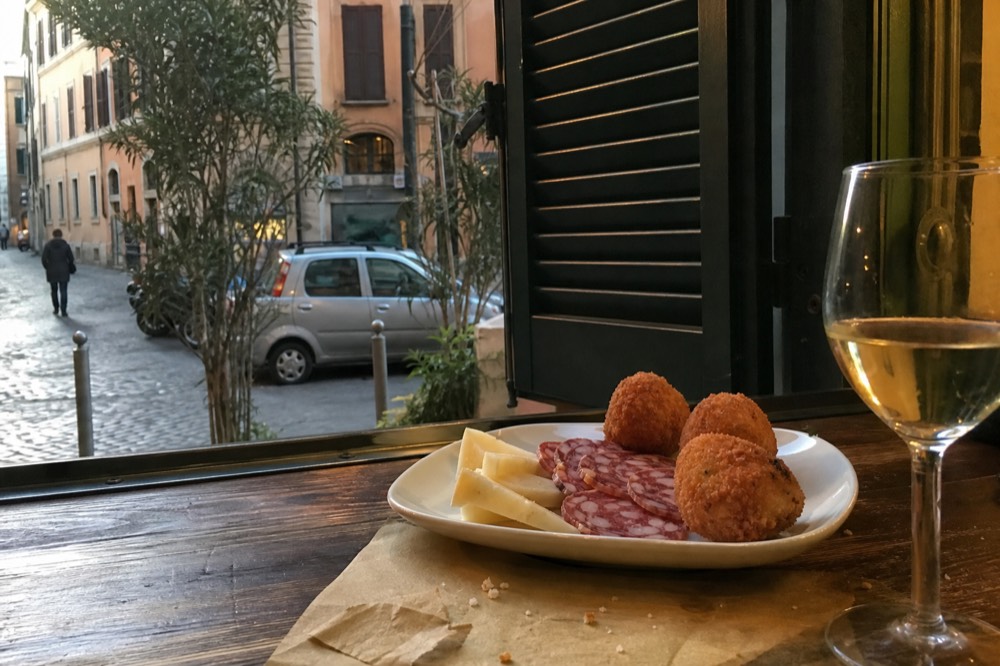
The standard aperitivo spread is chips, olives, focaccia or pizza bianca, cured meats, cheeses and small fried items, with the scale rising from a bowl at the counter to a self-service board at designed venues. In Rome the local accents are pizza al taglio, supplì and Jewish-roman fried specialties, and the spread should arrive without a separate charge.
The Roman additions are what make the hour here distinct. Pizza al taglio, by the slice, is the city's everyday bread, and the 50 Top Pizza 2025 guide ranked Frumentario in Rome first in Italy for the format, so the bar snack ceiling here is genuinely high. Supplì, the fried rice ball with a molten mozzarella heart, is the classic Roman counter companion, and in the Ghetto the fried artichokes and salted cod traditions extend the spread into a full kosher-roman repertoire. A medium gelato cone in central Rome cost up to 4 euros in July 2025, which is your reminder that even the sweet tail of the hour is modestly priced when the venue is honest.
A word on the buffet formula. Some venues run a self-service board where the drink is the ticket, and the etiquette is to take a reasonable plate once, not to treat it as dinner. Romans read a heaped plate at a 10-euro spritz as a tourist move, and the venues quietly raise prices when the formula gets abused. If you are actually hungry, the correct Roman solution is not a bigger plate at aperitivo, it is moving the evening into a proper dinner, which is exactly what the longer evening tours do. The Trastevere 20-plus tastings walk, from $120.78 per person, rated 4.9 across 1,708 reviews over 4 hours with free-flowing wine, is effectively an aperitivo that refuses to end.
How does aperitivo fit before a late Roman dinner?
Aperitivo is the buffer that makes a 8:30 dinner possible: you eat lightly at 6:30, drink a bitter or a glass of wine, and arrive at the table hungry but not starving. Skipping it and eating at 6pm marks you as a visitor, and doubling it into dinner leaves you with no appetite for the city's best meal slot.
The sequencing matters more than visitors expect. A Roman dinner reservation at 9pm is normal, and the aperitivo hour is how locals bridge the gap from the workday without spoiling the meal. The typical pattern is one drink and a few snacks, then a walk, then dinner. If your evening is short, the better move is to compress by choosing a neighbourhood where the aperitivo and the dinner are in walking distance, Trastevere and Monti both work, and our evening food tours in Rome guide covers the guided versions of that compressed evening.
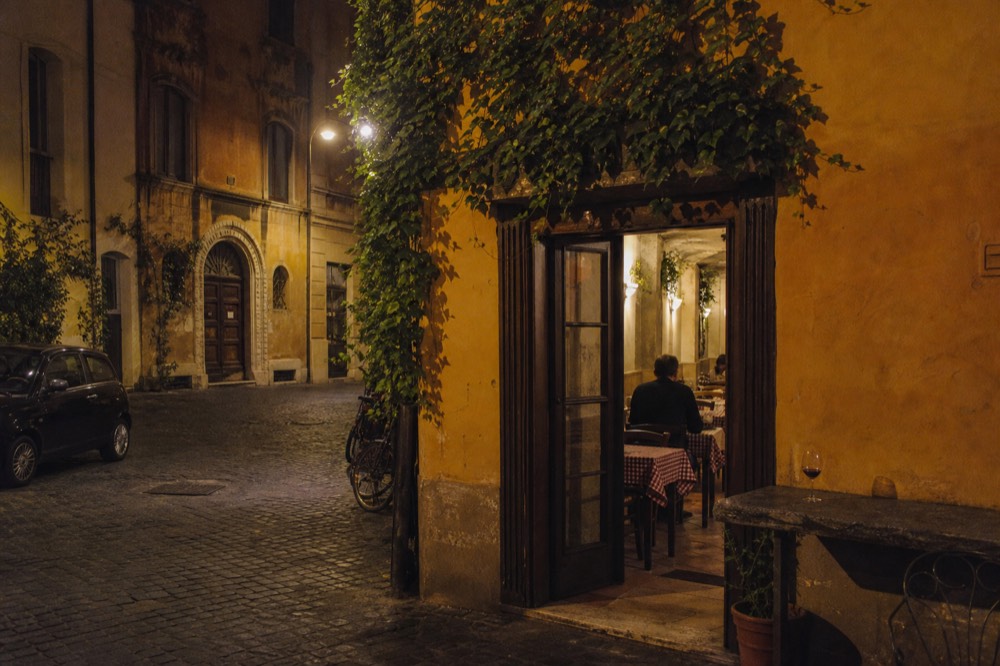
Timing also interacts with the city's transport rules. Trastevere's night limited traffic zone runs 9:30pm to 3am on Fridays and Saturdays, and from May to October also on Wednesdays and Thursdays, per the city mobility agency, so a taxi or licensed hire car is the way in and out after that hour, while a walking aperitivo is unaffected. The night zones switch off in August, one of the small ways the city officially runs differently that month.
Are there rules about drinking in the street after aperitivo?
Yes, in the central nightlife zones Rome's urban police regulation bans takeaway alcohol sales from 10pm to 7am, bans drinking from glass containers in public streets from 10pm, and bans drinking alcohol in any container in those zones from 11pm to 7am. Seated drinks at a bar or licensed terrace are unaffected, so the rules bite the after-party, not the aperitivo itself.
The regulation is the Nuovo Regolamento di Polizia Urbana, in force since 2019, and its article 28 applies to the mapped central and nightlife areas, which include Trastevere. The practical read for a visitor: your 6pm spritz at a table is entirely ordinary, but buying a bottle at a minimarket at 11pm to drink in the piazza is exactly what the rules target, and the city has been enforcing actively, with the September 2026 Trastevere operation alone producing over 50,000 euros in fines against venues. The separate ordinance renewed in January 2026 extends the night-time takeaway sales ban across dozens of neighbourhoods until 11 October 2026.
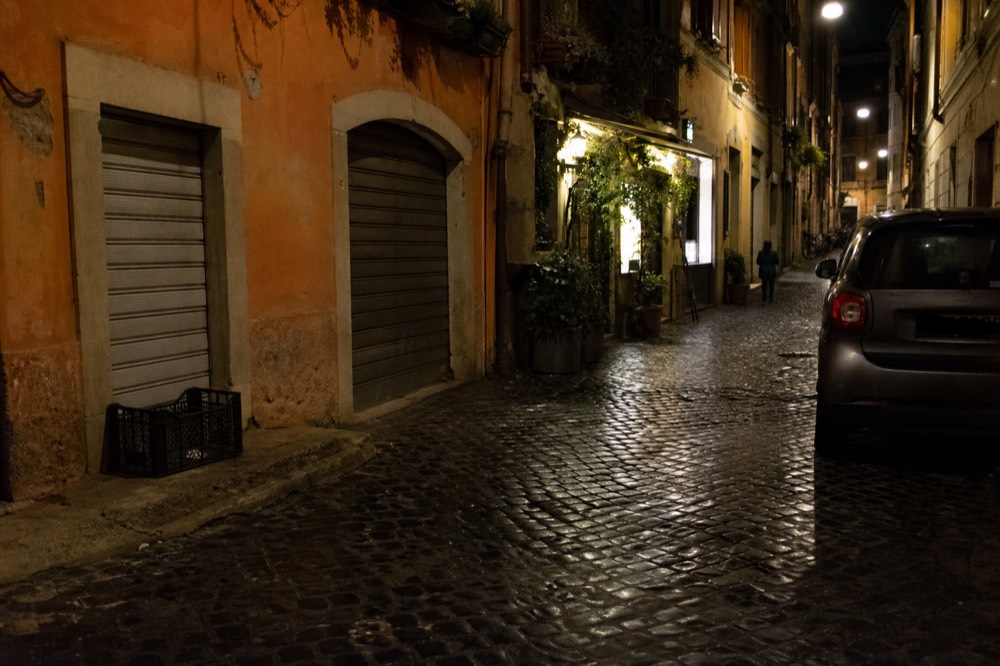
Two more small rules complete the picture. Sitting on monument steps or fountain edges to eat or drink is prohibited by the same regulation, carrying a reduced-payment fine of 250 euros, so the aperitivo that migrates onto the Spanish Steps is the one that costs real money. And the city's tourist accommodation tax, charged per person per night and capped at 10 consecutive nights, is collected by your hotel or host rather than appearing in your aperitivo budget, but it is worth knowing it is not in your room rate. For the full walking-and-eating version of the evening, Rome Food Tours keeps a current roster of guided options across every format described here.
These are the questions visitors ask most about the Roman aperitivo hour, answered with the same figures used throughout this guide: the 6pm to 8pm window, the 8 to 15 euro spread benchmark, and the neighbourhood shortlist of Trastevere, Monti and the Jewish Ghetto. Each answer below is short enough to read on a phone at the bar.
Common questions about aperitivo in Rome
What time is aperitivo in Rome?
Plan on 6pm to 8pm, with the peak between 6:30 and 7:30. The hour exists because Roman dinner starts at 8pm or later, so the aperitivo slot fills the gap between the workday and the table. In summer and on weekends the tail runs longer.
How much does aperitivo cost in Rome?
Expect 8 to 15 euros per person for a drink plus a snack spread at a central bar, 12 to 20 euros at designed venues with table service, and 4 to 7 euros for a standing counter drink with a small snack. A published benchmark is the 12-euro drink-plus-snacks package at Mercato Centrale.
Is aperitivo the same as dinner in Rome?
No. Aperitivo is meant to open the appetite, not replace the meal, and Romans treat one drink plus a few snacks as complete. If you are hungry, the correct move is to move into a proper dinner afterward rather than heap the aperitivo board.
Which neighbourhood is best for aperitivo in Rome?
Trastevere for the classic piazza scene, Monti for a local wine-bar feel, and the Jewish Ghetto for a food-forward seated version. Prati is the calm alternative. Arrive toward 6pm rather than 8pm to beat the peak crowds in Trastevere.
What do you drink at aperitivo in Rome?
The core orders are a spritz, vermouth on ice, or a glass of local Lazio wine such as Frascati or Cesanese. A negroni or americano covers the bitter end. Coffee is never part of the aperitivo hour.
Can you drink in the street in Rome at night?
In the mapped central nightlife zones, including Trastevere, the city bans takeaway alcohol sales from 10pm to 7am and public drinking from 11pm to 7am. Drinks at a bar table or licensed terrace are unaffected, and sitting on monument or fountain steps to eat or drink carries a 250-euro reduced fine.