Pasta Making Classes in Rome: Shapes, Doughs and What a Class Really Covers
A pasta making class in Rome is usually a three-hour, hands-on session where you mix egg dough by hand, roll it, shape it, and eat what you made. Here is what the classes actually cover, what they cost, and how to pick one.
Short answer
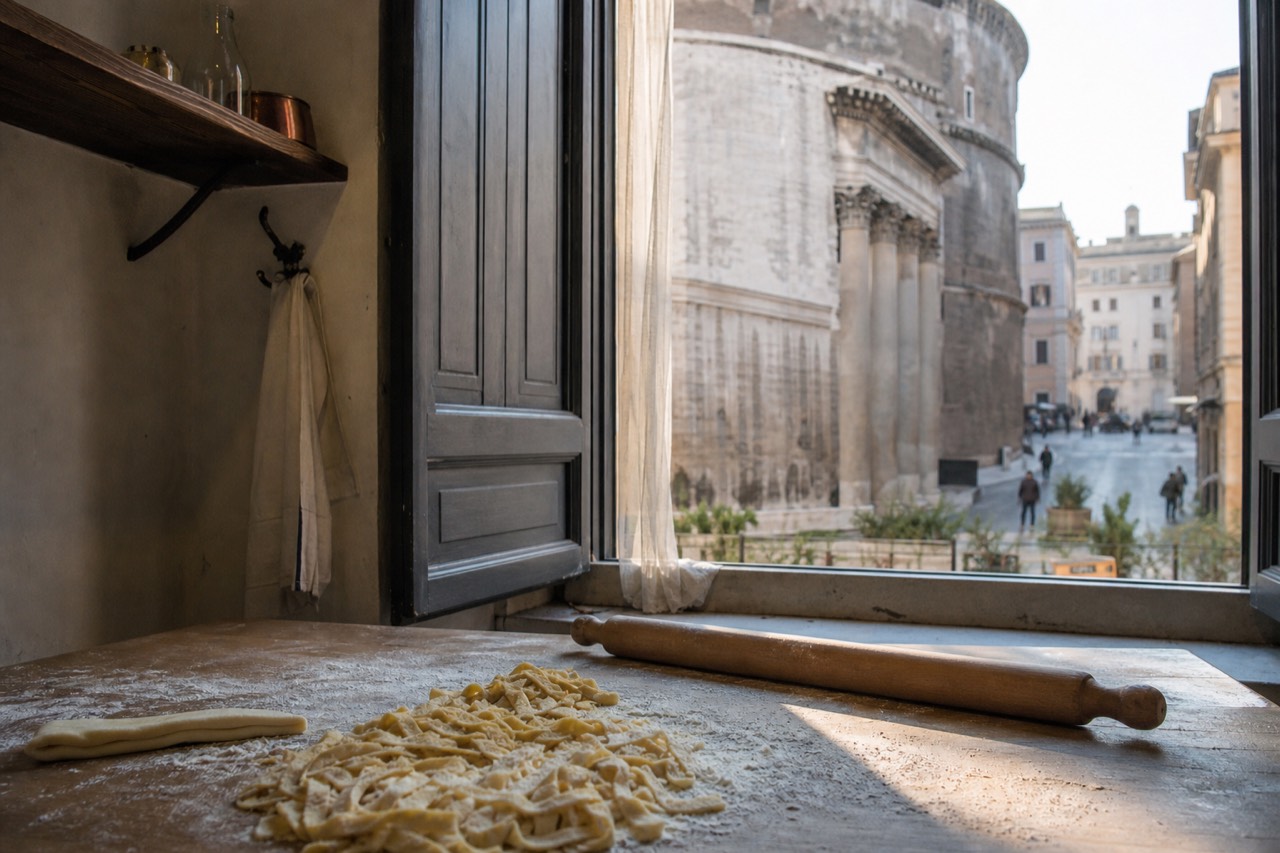
Most pasta classes in Rome run about three hours and cost from $33.68 to $93.47 depending on format. You typically make two to three shapes from fresh egg dough, then sit down to eat your pasta with wine. Add-ons like tiramisu or gelato are common, and family-friendly versions exist from $60.39 per person.
Rome recorded 22.9 million tourist arrivals in 2025, and a growing share of those visitors now want to cook rather than just eat. On 10 December 2025 UNESCO inscribed Italian cooking on its Intangible Cultural Heritage list, the first national cuisine recognized in its entirety, and that recognition has pushed pasta classes from a rainy-day backup into a headline activity. The city has answered with a wide spread of options: a 2-in-1 family class at $60.39 per person, a wine-included session by the Pantheon at $68.52, and a three-pasta home cooking class in Testaccio from $93.47 per group. This guide, from Rome Food Tours, breaks down what those sessions actually teach, because a pasta class is a narrower promise than a general cooking class, and the differences between them matter.
What pasta shapes do you actually make in a Rome class?
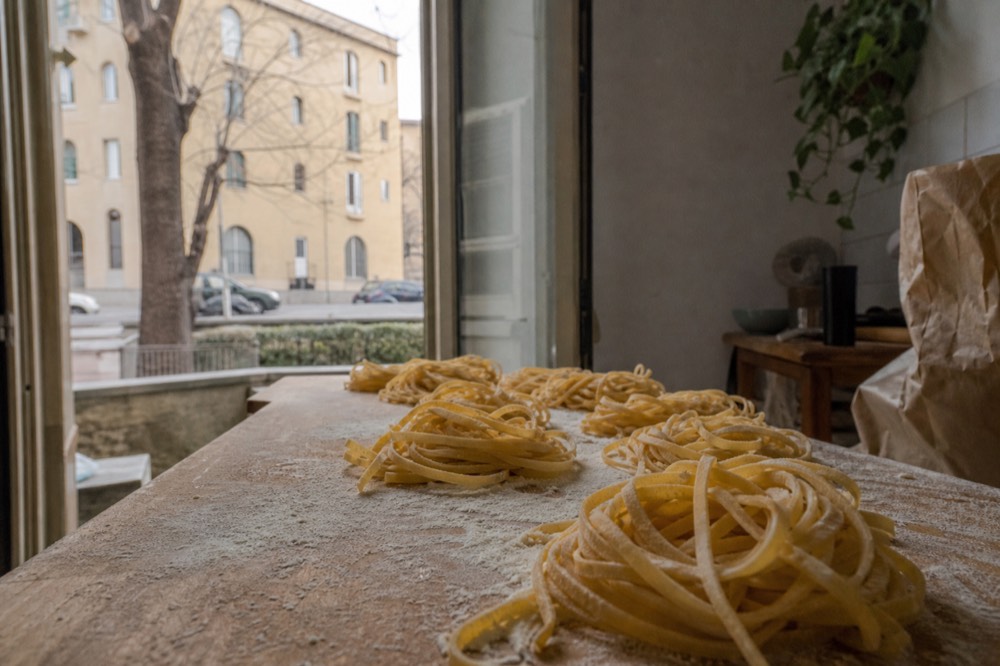
Most Rome pasta classes teach two or three shapes from one batch of fresh egg dough, and the standard repertoire is tagliatelle, fettuccine, pappardelle and one filled or hand-formed shape such as ravioli, tortellini or orecchiette. Longer classes add a second dough or a tiramisu module. You keep the same dough through the session, so the shapes get progressively more ambitious as your rolling improves.
The shapes are not random. Instructors pick them because each one teaches a different skill. Tagliatelle and fettuccine are cut from a rolled sheet, so they train thickness control: too thick and the pasta is doughy, too thin and it tears on the machine. Pappardelle uses the same sheet with a wider cut, which shows how width changes sauce behavior. Filled pasta, usually ravioli with ricotta and spinach, is the capstone because it combines the sheet work with sealing, portioning and keeping the filling from leaking into the boiling water.
Some classes add genuinely Roman shapes. The Testaccio home cooking class run by CURIOSEETY teaches cacio e pepe, amatriciana and carbonara, the three classic Roman pasta dishes, in a home kitchen setting, and its listing shows a 4.9 rating from 106 reviews. That is a different proposition from a tourist-center school: you are cooking three sauces that Roman households actually eat, in the district where the city's slaughterhouse workers once lived on offal because the prime cuts were sold elsewhere.
A rough map of what each class format tends to cover:
| Class format | Typical shapes | Typical extras |
|---|---|---|
| Standard 3-hour class | Tagliatelle, fettuccine, ravioli | Wine with the meal |
| Family 2-in-1 class | One cut shape plus tiramisu | Kid-friendly pacing, soft drinks option |
| Pizza and pasta combo | One simple shape alongside pizza | Gelato or tiramisu module |
| Home cooking class | Three Roman sauced pastas | Sauce technique focus, market context |
| Premium small-group class | Two shapes plus filled pasta | Wine pairing, gelato finish |
One caution worth carrying into any booking: filled pasta is where classes slow down. If a session promises ravioli, tortellini and two cut shapes in two and a half hours, the schedule is tight, and the eating portion usually eats into the last 45 minutes. Check whether dinner is included in the listed time or added on top of it.
Egg dough or water dough: which pasta will you roll?
Nearly every tourist-facing class in Rome works with fresh egg dough, the northern Italian tradition: eggs and 00 flour, kneaded, rested and rolled. Water-and-semolina doughs, the southern tradition behind orecchiette and busiate, appear mainly in specialist or southern-themed sessions. If a specific shape matters to you, the listing's description of the dough tells you which tradition you are getting.
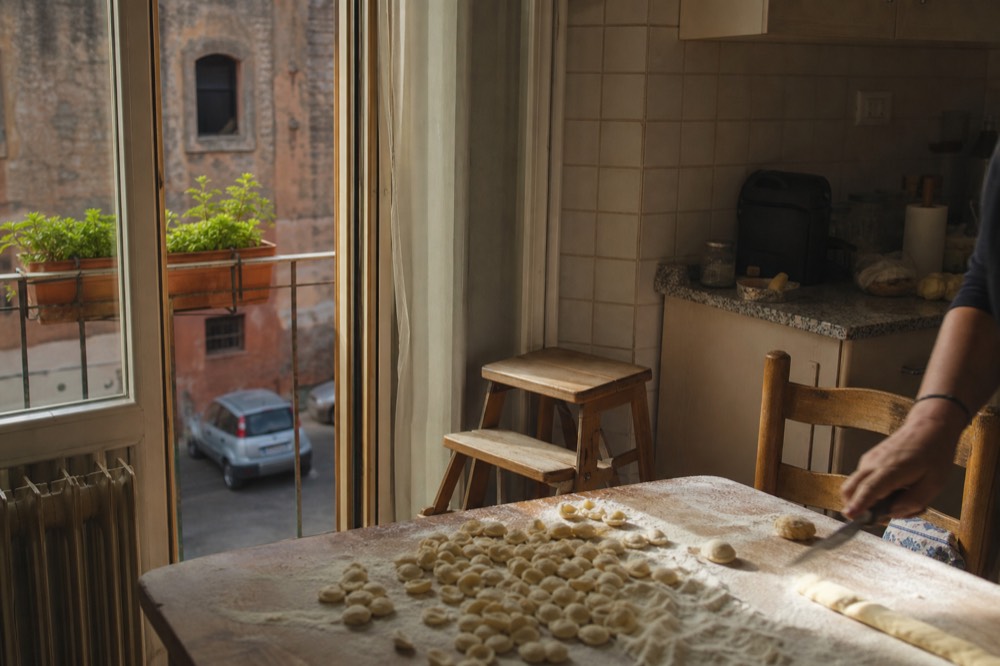
The distinction is real and it shapes the whole evening. Egg dough is rich, yellow, pliable and forgiving for beginners; it rolls thin enough for tagliatelle and holds together around a raviolo. It is also the dough most Roman restaurant kitchens use for their fresh pasta, so what you learn transfers directly to what you will be eating the rest of your trip. Water dough is leaner, chewier and shaped by hand rather than rolled, which some beginners find harder precisely because there is no machine doing the thickness for you.
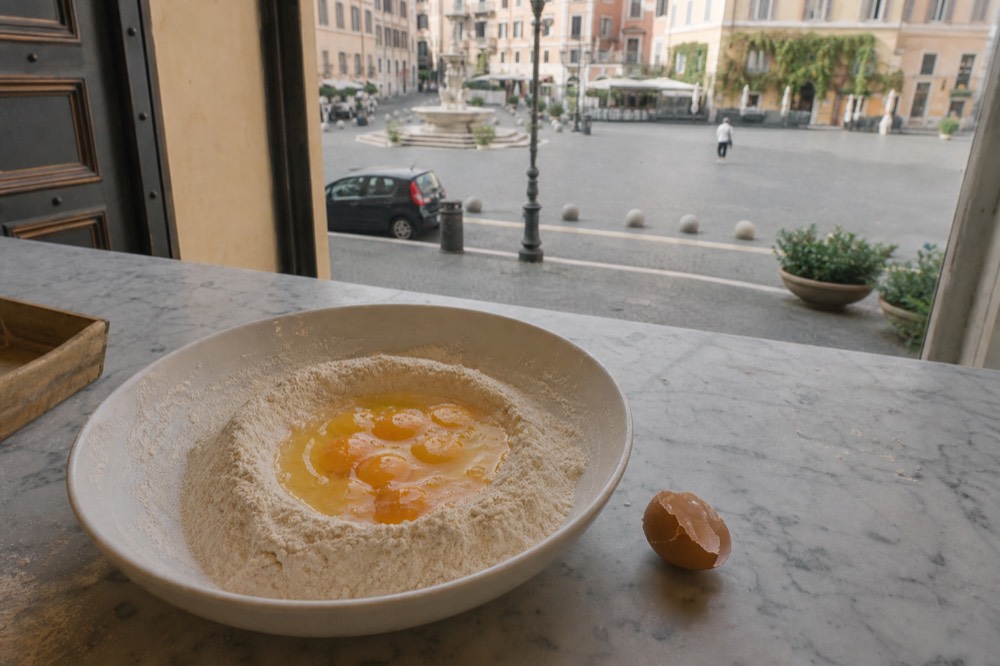
The flour question comes up in almost every class and is worth settling before you go. Italian 00 flour is finely milled and low in ash, which gives the silky texture you associate with fresh tagliatelle. Semola rimacinata, twice-milled durum semolina, is the water-dough flour. Some schools use a blend for egg dough to add bite. None of this is protected terminology for the dough itself, but the ingredients around Roman pasta are: Pecorino Romano is a registered PDO, made exclusively from sheep's milk, with maturing of at least five months for table cheese and eight for grating, per the EU single document. When your cacio e pepe class grates pecorino, that is the cheese the recipe means.
| Dough type | Ingredients | Typical shapes | Where you will meet it |
|---|---|---|---|
| Fresh egg dough | 00 flour, eggs, salt | Tagliatelle, fettuccine, pappardelle, ravioli | Most standard Rome classes |
| Egg dough with semola blend | 00 and semola, eggs | Tagliatelle with more bite | Some premium schools |
| Water dough | Semola rimacinata, water | Orecchiette, busiate, trofie | Southern-themed sessions |
| Gnocchi dough | Potato, flour, egg optional | Gnocchi | Add-on or dedicated classes |
Ask the listing one direct question before booking: does the class use a pasta machine or a mattarello, the long wooden rolling pin? Machine-rolled classes get you to filled pasta faster. Hand-rolled classes are slower, more physical and closer to how home cooks in the region actually work. Neither is wrong, but they are different evenings.
If you already know you want the full pasta experience rather than a general cooking session, the three options below are the strongest fits on the current roster.
How long does a pasta making class in Rome run, and what does it cost?
Class lengths cluster around three hours, with the shortest sessions at 2.5 hours and the longest at 3, and prices run from $33.68 per person for a pizza and tiramisu class up to $93.47 per group for a home cooking class in Testaccio. Dinner or dessert is usually included in the listed time, not added after. Wine is included on most listings.
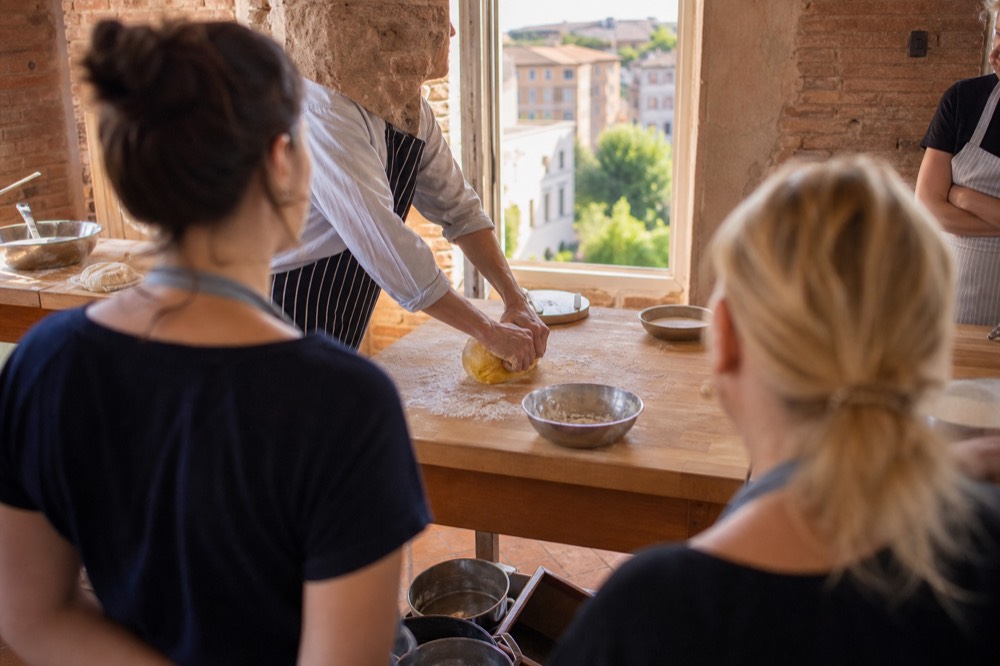
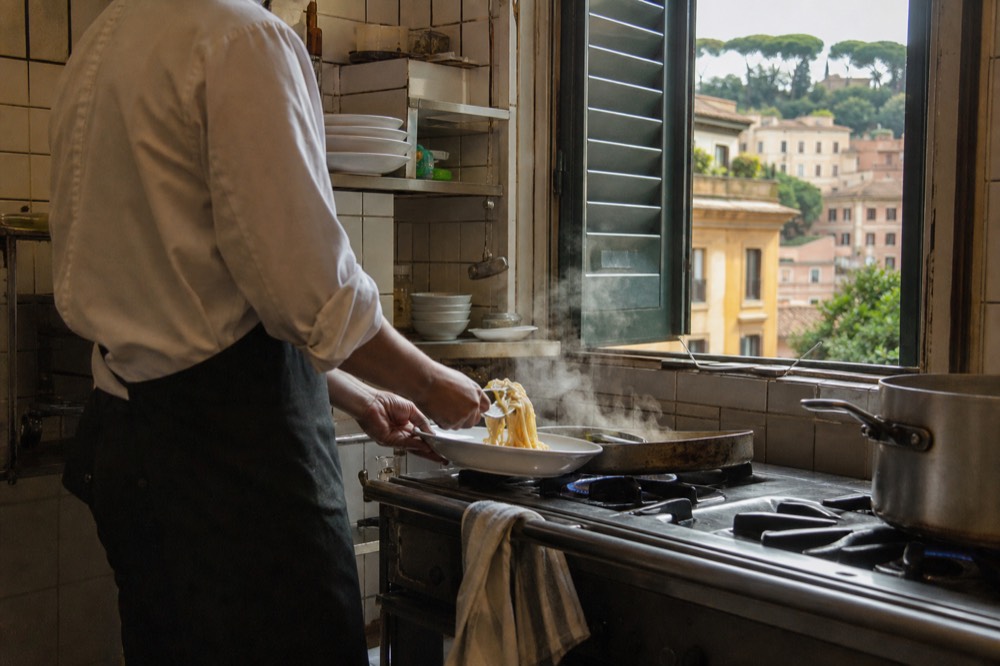
The time split matters more than the headline length. A typical three-hour session runs roughly 30 minutes of welcome and dough mixing, 45 minutes of kneading and resting while the instructor covers technique, an hour of rolling and shaping, and a final 45 minutes of cooking and eating. That last portion is where the value sits for most people: you eat the pasta you made, usually with wine included, and the meal is part of the price rather than an extra.
| Class | Length | Price as listed | Rating |
|---|---|---|---|
| Pizza & Tiramisu or Gelato Class with Wine | 2.5-3 hours | $33.68 per person | 4.8 from 1,246 reviews |
| Family-Friendly Pasta & Tiramisu Class | 3 hours | $60.39 per person | 4.9 from 263 reviews |
| Top Pasta Making with Wine by Pantheon | 3 hours | $68.52 per person | 4.9 from 3,493 reviews |
| Fresh Pasta-Making Class with Wine and Gelato | 3 hours | $63.87 per person | 4.9 from 928 reviews |
| Home Cooking in Testaccio, three Roman pastas | 3 hours | $93.47 per group, varies by size | 4.9 from 106 reviews |
Context helps when judging these numbers. An analysis of 198 Rome cooking classes put the average advertised price at $172, a figure that includes long market-to-table experiences and private sessions, well above where the pasta-only classes sit. Pasta making is one of the cheaper ways into a Rome cooking class precisely because it needs no market visit and no restaurant sit-down beyond the meal you cooked. Florence averages higher still, at $201 across 164 classes, so Rome is also the better-value city for this specific activity.
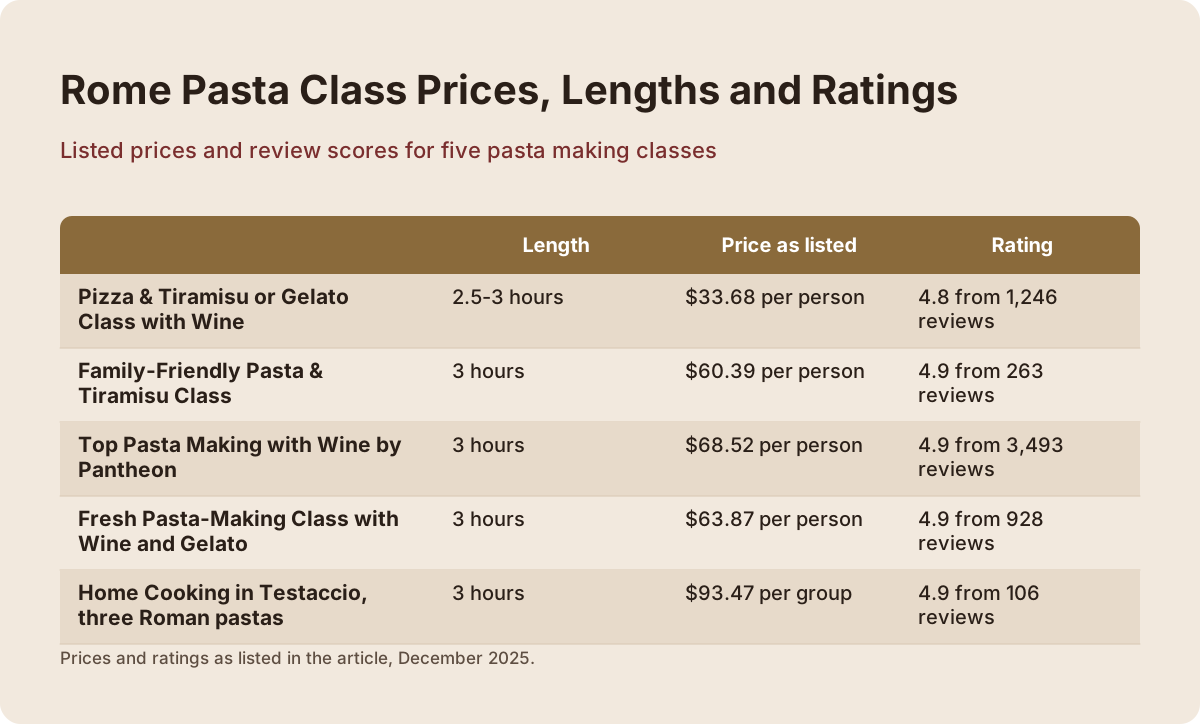
One planning note that surprises people: the per-group pricing on some listings means the quoted figure covers the whole group, not each person, and it varies by group size. The Testaccio home cooking class at $93.47 and the Pizza and Gelato small-group class at $117.13 are both quoted per group. Read the listing's pricing line carefully before comparing against per-person classes.
Tiramisu and gnocchi: the add-on classes worth booking
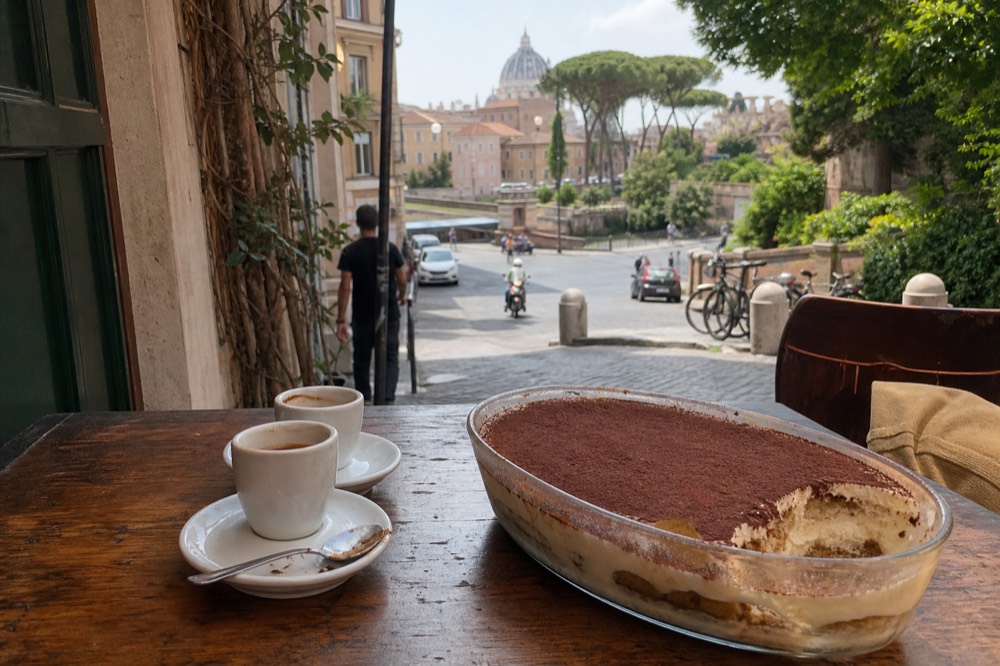
The strongest add-on in Rome is tiramisu, and the family-friendly 2-in-1 class at $60.39 per person pairs pasta shapes with a full tiramisu module in one three-hour session. Gnocchi add-ons exist but are rarer; gelato is the other common finisher. If dessert matters to your group, book a class that lists it by name rather than hoping it appears.
The tiramisu module is more than decoration. It fills the dough's resting time, which every class has anyway, and it teaches a technique you will genuinely reuse: zabaglione over a double boiler, mascarpone folded in, savoiardi dipped fast so they soften without collapsing. The Family-Friendly Pasta & Tiramisu Cooking Class, run by Carpe Diem Tours, is the clearest example on the roster: 4.9 from 263 reviews, three hours, $60.39 per person, and the 2-in-1 format means the session is paced for mixed ages rather than adapted on the fly.
Gnocchi is the quieter add-on. It appears in the Fresh Pasta-Making Class with Wine and Gelato from Walks of Italy, at $63.87 per person with a 4.9 rating from 928 reviews, where the gelato finisher does the dessert work instead. Potato gnocchi is a different skill from egg dough, lighter on rolling and heavier on feel: too much flour and they turn dense, too little and they dissolve in the water. Classes that include both give you the widest takeaway.
A quick comparison of what the add-ons actually get you:
| Add-on | What you learn | Typical time cost | Worth it for |
|---|---|---|---|
| Tiramisu | Zabaglione, mascarpone folding, layering | 30-40 minutes, during dough rest | Families, dessert lovers |
| Gelato | Usually tasting, occasionally churning | 15-20 minutes | Anyone wanting a sweet finish |
| Gnocchi | Potato dough feel and shaping | 30 minutes | Confident home cooks |
| Sauce focus | Cacio e pepe, carbonara technique | Varies | Visitors who cook at home |
Family classes and small groups: matching a class to your group
Family classes in Rome run the same three hours as adult sessions but pace the shaping slower and lean on the tiramisu module, and the Family-Friendly Pasta & Tiramisu class at $60.39 per person is the roster's dedicated option. Small-group formats, capped below roughly twelve, cost more but give each person more rolling time. Groups with teens can usually skip the family label entirely.
The family label is about structure, not dumbing down. Children as young as six or seven can knead and cut tagliatelle; what they cannot do is sustain an hour of ravioli sealing. Good family classes therefore front-load the fun shapes, insert the tiramisu build where attention dips, and shorten the eating portion. If your group is adults plus one teenager, a standard class is usually the better buy, and the teenager will get more out of the sauce demonstration.
For adults traveling without children, the small-group question is mostly about the rolling stage. With one pasta machine and ten participants, each person gets a few supervised passes; with six, you own the machine for longer. The Walks of Italy fresh pasta class is built around this logic, and its 928-review track record at 4.9 suggests the format lands. Meeting points for small-group classes vary by the option booked, so check the listing's meeting details before you plan your route.
If you are weighing pasta against a broader cooking class, the general cooking classes in Rome guide covers pizza, market-to-table and multi-dish formats, and the family cooking classes guide goes deeper on age suitability and pricing for children.
Learning pasta in a Roman home kitchen
The home cooking format moves the class out of a teaching school and into a private kitchen, and in Rome that means Testaccio: the CURIOSEETY class on Via Galvani teaches cacio e pepe, amatriciana and carbonara from $93.47 per group with a 4.9 rating from 106 reviews. You cook three sauces, not three shapes, and the setting is the point.
Testaccio is the right neighborhood for this format for reasons the class itself will explain. The district grew around the city slaughterhouse, built between 1888 and 1891 and closed in July 1975, and its cuisine was forged by workers who were paid partly in the less prized cuts. That is the world cacio e pepe and the other Roman pastas come from: cheap ingredients made exceptional through technique. Cooking them a few streets from where they were born is a different experience from rolling tagliatelle near the Pantheon.
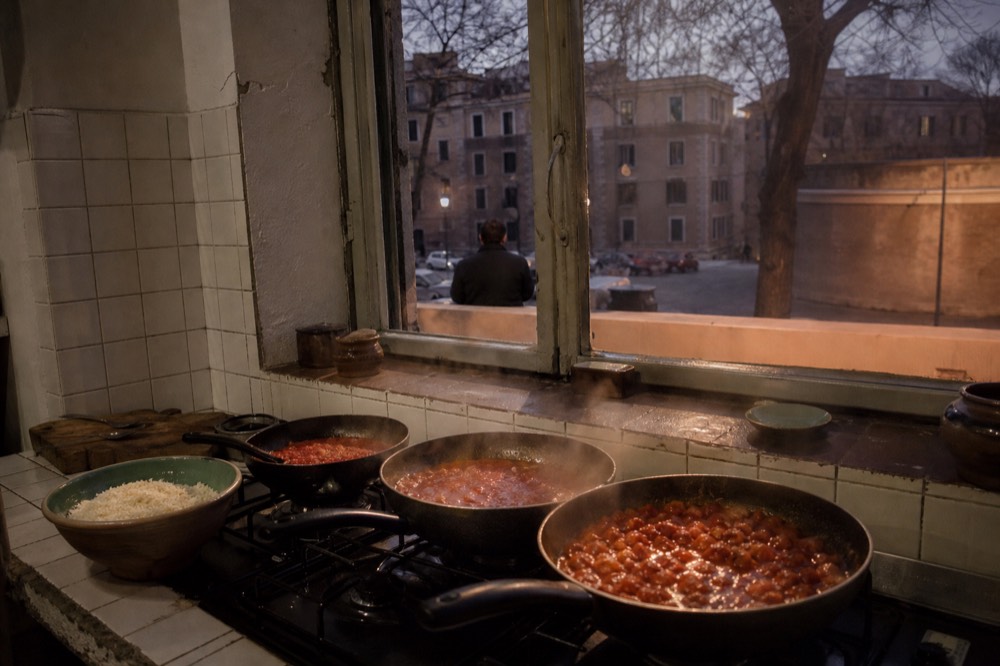
The three sauces each teach a distinct lesson. Cacio e pepe is an emulsion problem: pecorino, pepper and pasta water combined off the heat so the cheese does not clump. Carbonara, which an AstraRicerche survey of 1,004 Italians found is the favorite pasta dish of 46.1 percent of the country, is about tempering eggs with pasta water rather than cream, which never appears in the Roman version. Amatriciana is the only one of the classic four Roman pastas with a confirmed EU registration, as a Traditional Speciality Guaranteed, and its specification is blunt: the sauce has always been made with cured pork jowl, never bacon or pancetta.
For visitors who want the neighborhood context without the cooking, the Testaccio food tours guide covers the market and the tasting walks in the same district.
How to choose and book your pasta class
Choose on three filters in order: dough and shapes, group format, then add-ons. Confirm the meeting point before booking because several operators vary it by option, and check the cancellation window, which on most Rome listings allows free cancellation up to 24 hours before. Book morning classes for cooler kitchens in summer, evening classes for the full dinner experience.
The booking itself is low-risk if you read three lines on the listing. First, the meeting point: the Pastamania class by the Pantheon gives an exact address, Via della Gatta 14, while others say the point varies by the option selected, which means you must check after choosing a time. Second, the pricing basis: per person or per group, covered above. Third, what is included: wine appears on nearly every listing here, but dessert and the full meal are not universal.
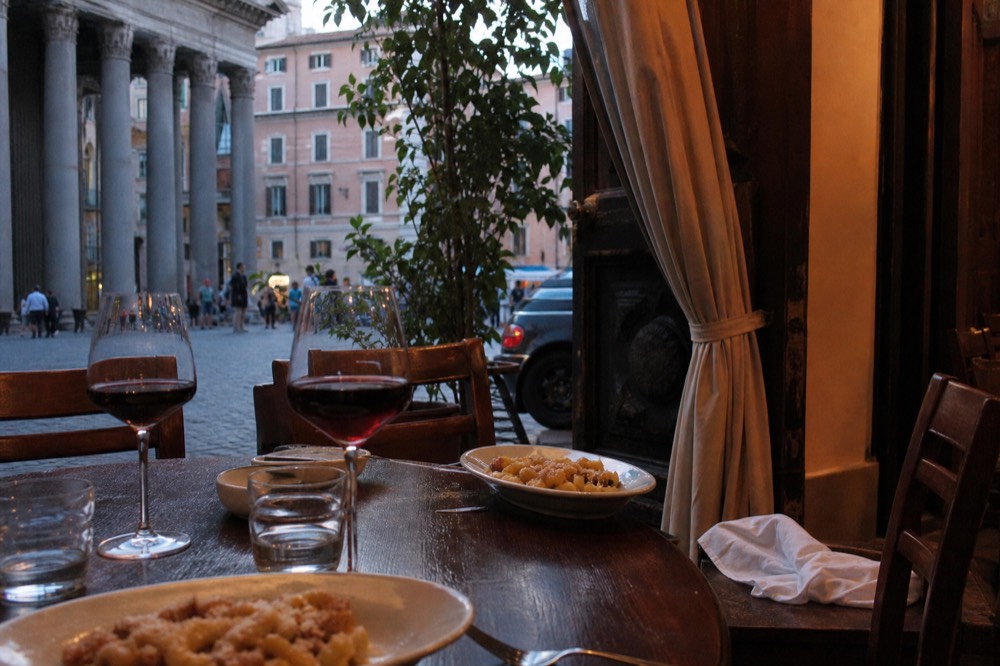
Timing has a seasonal logic. Rome's July and August heat makes a 10am class far more comfortable than a 3pm one, and the eating portion of an evening class lands at a very Roman dinner hour. If your class ends around 8pm and you are wondering whether that is normal, it is: the what time do Romans eat dinner piece explains the local rhythm, and an evening class slots into it perfectly.
A short checklist before you commit:
| Check | Why it matters | Where to look |
|---|---|---|
| Shapes named in the listing | Confirms egg dough versus water dough | Class description |
| Per person or per group | Changes the real price by half or more | Pricing line |
| Meeting point | Some operators vary it by option | Meeting details section |
| Tiramisu or gelato listed | Add-ons are only guaranteed if named | What's included |
| Cancellation window | Most allow free cancellation to 24 hours | Booking terms |
The UNESCO recognition is worth one final thought when you pick. The inscription, which the Italian culture ministry announced as a tool for protecting products from imitations, named Italian cooking's biocultural diversity as the reason for listing it. A class that teaches you why pecorino is a PDO and why amatriciana's specification forbids bacon is engaging with that heritage, not just entertaining you for three hours. The best Rome pasta classes do both.
The questions below cover the practical details readers ask most: which shapes a class includes, how long sessions run, what they cost, whether kids can join, whether you eat what you make, and whether any cooking experience is needed. Each answer draws on the verified figures in this guide, from the $33.68 entry-level class to the $93.47 Testaccio home cooking format.
Common questions about pasta making classes in Rome
What pasta shapes do you make in a Rome pasta class?
Most classes teach two or three shapes from fresh egg dough: tagliatelle, fettuccine or pappardelle cut from a rolled sheet, plus a filled shape such as ravioli. Home cooking classes in Testaccio instead focus on the three classic Roman sauces, cacio e pepe, amatriciana and carbonara.
How long does a pasta making class in Rome take?
Most run three hours, with the shortest at 2.5 hours. The time includes kneading, resting, rolling, shaping and eating the meal you made, with wine included on most listings.
How much does a pasta making class in Rome cost?
Prices on the current roster run from $33.68 per person for a pizza and tiramisu class to $93.47 per group for a Testaccio home cooking class. Mid-range pasta classes with wine sit between $60 and $69 per person.
Is a pasta class in Rome good for kids?
Yes. The Family-Friendly Pasta & Tiramisu class at $60.39 per person is built for mixed ages, pacing the shaping work around a tiramisu module. Children can knead and cut from around six or seven; filled pasta is the part that tests younger attention spans.
Do you eat the pasta you make in the class?
Yes, on virtually every listing. The meal you cooked, usually with wine included, is part of the session and part of the price, and it typically occupies the final 45 minutes of the three hours.
Do you need cooking experience to take a pasta class?
No. Classes assume zero experience and start from mixing flour and eggs. The rolling stage is supervised, and the shapes chosen, cut pastas before filled pastas, are sequenced so beginners finish with something they are proud to eat.