Cooking Class in Rome: Formats, Prices and What You Actually Get
Rome's cooking classes now span everything from a $33 pizza evening to a four-hour market-and-pasta combination. Here is what each format, price band and group size actually delivers.
Short answer
A cooking class in Rome costs from $33.68 per person for a 2.5-hour pizza and tiramisu session up to $128.96 for a market-and-pasta combination, with most group pasta classes in the $60 to $70 range. Sessions run 2.5 to 4 hours, are taught in English, and you eat what you cook.
Rome recorded 22.9 million tourist arrivals in 2025, and an increasing share of those visitors want to do more than eat Roman food: they want to make it. The city's cooking-class market has grown into a wide field of formats, from a two-and-a-half-hour pizza evening to a four-hour market visit followed by a pasta session, and the difference between a good booking and a disappointing one is usually knowing what the price actually buys. This guide lays out the formats, the price bands, the group sizes and the combinations, using the live listings of the classes themselves.
What does a cooking class in Rome actually include?
Almost every Rome cooking class includes hands-on instruction, all ingredients, the meal you prepare, and wine or soft drinks with it; most add a digital recipe pack, and market-combination formats add guided tastings before the cooking starts. What varies is how much cooking you do, how many dishes, and whether wine, dessert and limoncello are poured.
The baseline inclusions are consistent across the market. You get a workstation, ingredients, an instructor, aprons and the meal itself. Beyond that, the listings diverge. The pasta class near the Pantheon run by Pastamania includes wine, a dessert and limoncello alongside the pasta you roll and cut yourself, at $68.52 per person for three hours. The pizza and tiramisu class from Cooking Italy, at $33.68 per person, keeps the scope tighter: one pizza, one tiramisu or gelato, and fine wine, in 2.5 to 3 hours.
A few things are consistently absent, and worth knowing before you book. Hotel pickup is rare in this market; classes meet at a cooking school or a stated central point. Gratuities are not included. And in most formats the recipes go home with you digitally, but check the listing if a printed booklet matters to you. One structural point that surprises some travelers: the UNESCO inscription of Italian cuisine as Intangible Cultural Heritage on 10 December 2025, the first national cuisine recognized in its entirety, has pushed demand up noticeably, and the Italian government projected up to 8% tourism growth from it, so popular evening slots fill earlier than they did two years ago.
| Inclusion | Standard group class | Market-plus-class combination | Budget pizza class |
|---|---|---|---|
| Hands-on cooking | Yes, one to three dishes | Yes, plus market walk | Yes, one pizza |
| Meal you cooked | Full sit-down meal | Full meal plus tastings | Pizza plus dessert |
| Wine | Usually included, some pours | Included, sometimes regional focus | Included |
| Recipe pack | Digital, usually | Digital | Digital |
| Market visit | No | Yes, 30 to 90 minutes | No |
| Typical length | 3 hours | 3.5 to 4 hours | 2.5 hours |
How much does a cooking class in Rome cost?
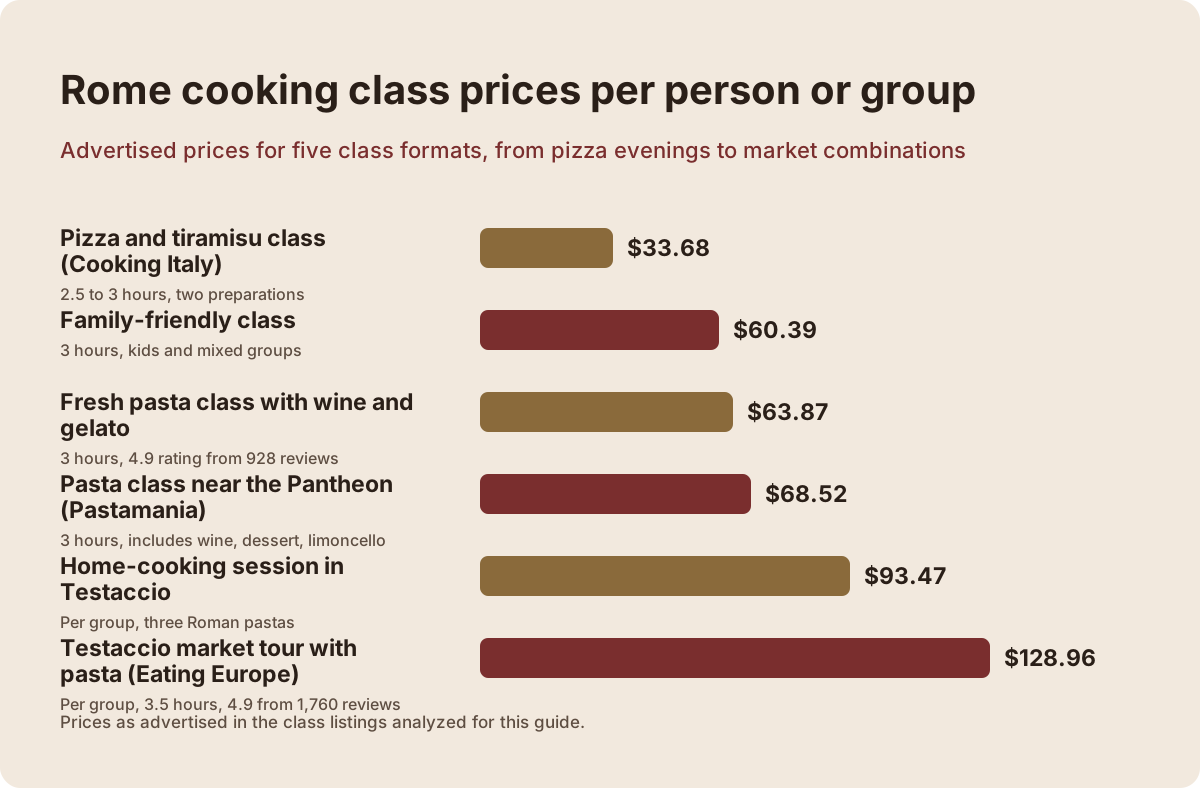
Group cooking classes in Rome run from $33.68 to $68.52 per person for the mainstream formats, with market-and-pasta combinations up to $128.96 and private or family sessions priced per group rather than per head. An analysis of 198 Rome classes put the average advertised price at $172, pulled up by private and premium listings, so the typical group class sits well below the market average.
The price you pay maps cleanly onto three things: length, scope and group size. At the bottom of the market, Cooking Italy's pizza and tiramisu session at $33.68 per person covers 2.5 to 3 hours and two preparations. In the middle, the fresh pasta class with wine and gelato from Walks of Italy costs $63.87 per person for three hours with a 4.9 rating from 928 reviews, and Pastamania's Pantheon-area class costs $68.52 with a 4.9 from 3,493 reviews. Family formats change the unit: the family-friendly pasta and tiramisu class from Carpe Diem Tours is priced at $60.39 per person, while Inrome Cooking's pizza and gelato class is $117.13 per group with the price varying by group size.
At the top, the combinations cost more because they bundle a guided market experience with the cooking. Eating Europe's Testaccio tour with Roman pasta and market tastings is $128.96 per group, price varying by group size, across 3.5 hours with a 4.9 from 1,760 reviews. The independent budgeting site Budget Your Trip calculated that $172 average from 198 advertised Rome classes in 2026, against $201 for Florence, which is a useful reality check: Rome is not the expensive outlier among Italian class cities.
Which class format fits your trip?
Pick a short pizza or gelato class for an evening or for kids, a three-hour pasta class for the classic Roman experience, and a market-plus-class combination if you want the shopping story as well as the cooking; only book a private session if you specifically want undivided instructor attention, since group classes in Rome stay small enough to be hands-on.
Format is the decision that shapes the rest. A 2.5-hour evening class fits easily after a day of sightseeing and still leaves time for a walk afterward. A three-hour pasta class is the sweet spot for most first-time visitors: long enough to make dough from scratch, short enough to combine with a morning at the Pantheon or a siesta. The four-hour combinations eat half a day and reward you with the market context, which in Testaccio means the neighborhood whose butchers and offal tradition defined Roman home cooking.
Group size matters more than price does. The small-group formats, like the fresh pasta class from Walks of Italy, keep workstations individual so nobody watches from the back. Larger value formats can run a dozen or more participants, which is fine for pizza, where the dough rests while you socialize, but less ideal for delicate pasta work. If your trip has a fixed evening, check the session start times against the Italian dinner clock: Romans eat late, and many classes start at 5pm or 6pm precisely so the meal lands at Roman dinnertime, a habit covered in detail in what time Romans eat dinner.
| Format | Typical length | Best for | Price signal |
|---|---|---|---|
| Pizza and tiramisu evening | 2.5 to 3 hours | Families, evenings, tight budgets | From $33.68 per person |
| Classic pasta class | 3 hours | First-time visitors | $60 to $70 per person |
| Market visit plus class | 3.5 to 4 hours | Food-first travelers | Up to $128.96 per group |
| Family-friendly class | 3 hours | Kids and mixed groups | $60.39 per person |
| Home-cooking session | 3 hours | Depth, three Roman pastas | From $93.47 per group |
Do you eat what you cook?
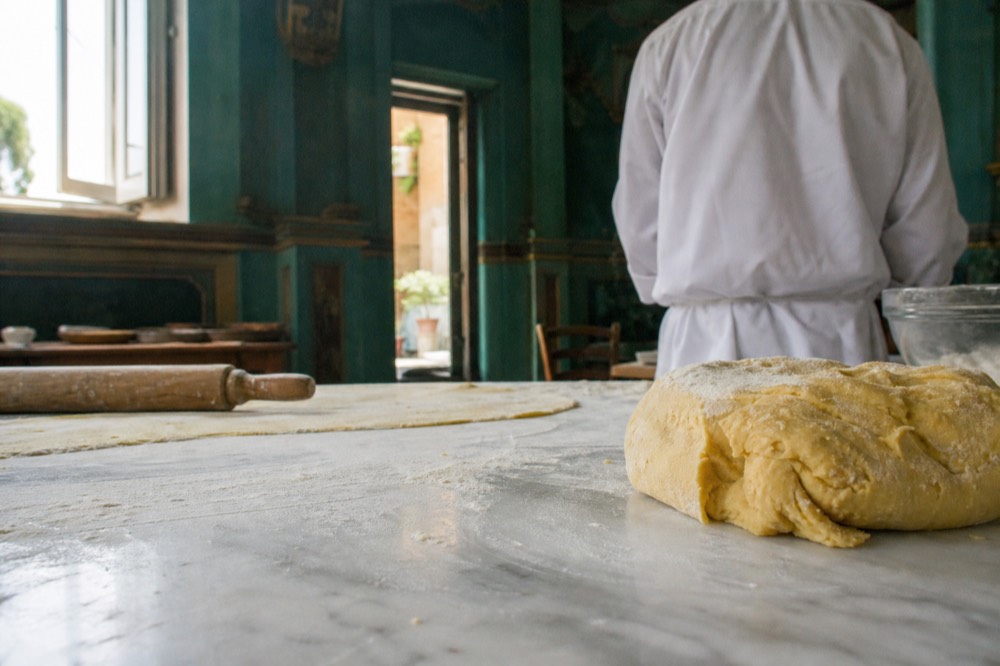
Yes, every mainstream Rome cooking class ends with a sit-down meal of the food the group prepared, usually with wine included, and that meal is the final third of the session; the classes are structured so the cooking portion finishes before the eating begins, at the same tables where you worked.
This is the part that decides whether a class feels like a class or like dinner with a preamble. The better listings are explicit about it: Pastamania's session near the Pantheon runs pasta making, then dessert, then limoncello, then the meal. The home-cooking class in Testaccio from CURIOSEETY, which teaches cacio e pepe, amatriciana and carbonara in a home setting at $93.47 per group, builds the whole three hours around cooking three pastas and then eating them together.
Portions are honest. Instructors plan for the meal to be a real dinner, not a tasting, so the standard advice holds: do not book a heavy lunch before a class that starts at 4pm. Wine is included in nearly every listing in this market, usually a house wine poured through the meal, with the premium formats pouring regional Lazio bottles. If you would rather cook than drink, sessions accommodate non-drinkers without fuss, but the wine is priced in, not deducted.
A note on the recipes themselves: the four classic Roman pastas, carbonara, cacio e pepe, gricia and amatriciana, are the backbone of most class menus. Amatriciana is the one with a registered EU specification, the Amatriciana Tradizionale TSG, whose text pins the sauce to guanciale cured at least 30 days and states plainly that it has always been made with pork jowl, never bacon. Instructors who know this will tell you the same, and it is the single most useful thing to absorb before you cook, because the mistakes people make with these sauces, cream in carbonara above all, are ingredient substitutions. The common errors are listed in common carbonara mistakes to avoid.
Are market-visit-plus-class combinations worth the extra money?
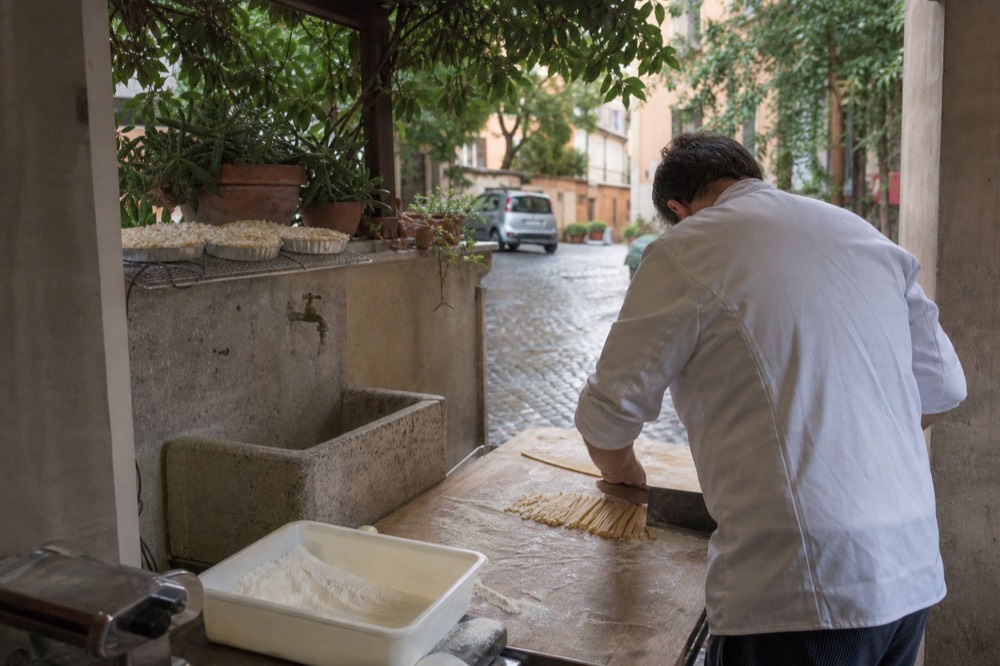
Yes, if food is the point of your trip: the combinations cost roughly $30 to $60 more than a standalone class and buy you a guided walk through a working Roman market with tastings, plus the cooking session, which together turn a cooking class into a full picture of how Romans shop and eat.
The two market anchors for these combinations are Testaccio and Trionfale, and they offer different things. Testaccio is the historic slaughterhouse district, where the quinto quarto, the fifth quarter of offal cuts, defined working-class Roman cooking; its covered market holds 103 stalls and now runs Friday evening openings until 22:00. Trionfale, on the Vatican side of the river, is one of the largest covered markets in the city with around 270 stalls, and the Trionfale market food tour from Cooking Italy, at $105.30 per group with a perfect 5 rating from 511 reviews, spends four hours on the market and the tastings around it.
The strongest combination format is the Testaccio tour with Roman pasta and market tastings from Eating Europe, which meets at Piazza Testaccio, walks the market, and finishes with a pasta session, at $128.96 per group across 3.5 hours. For travelers weighing whether any of this is worth it compared with just eating well on their own, the honest answer is that a class teaches you a repeatable skill and a market walk teaches you how to shop, which is why the combination format is the fastest-growing segment of the market. The broader value question is covered in is a food tour worth it in Rome.
Are Rome cooking classes taught in English?
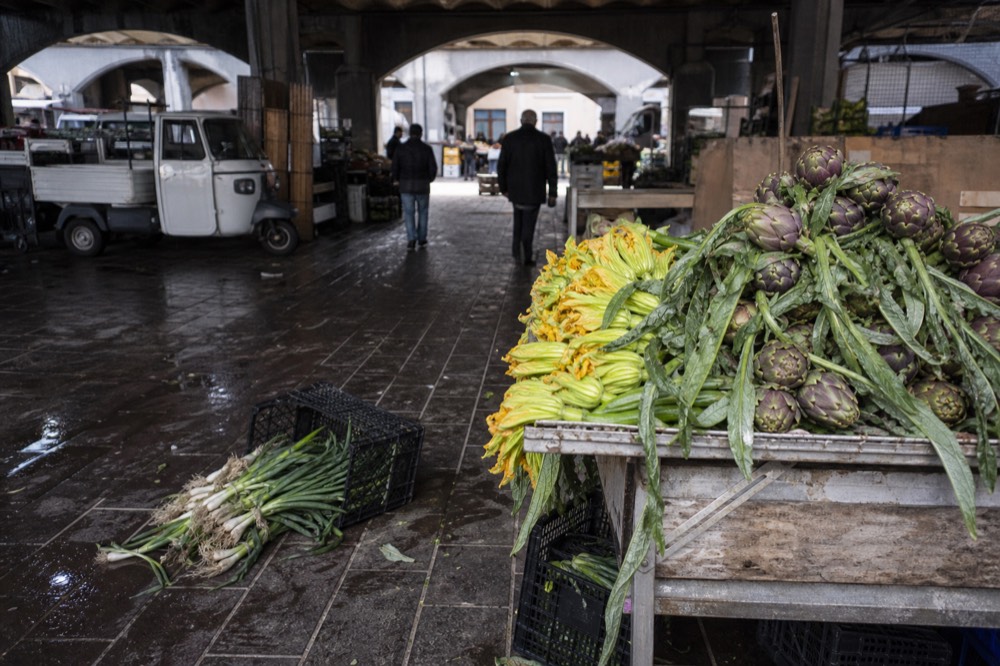
Yes, the entire mainstream Rome cooking-class market operates in English, with instructors who teach in English as a default for international groups; some listings add Italian or other languages as options, but you do not need any Italian to book or to follow a class.
English is the working language of this market, not an add-on. The listings from Pastamania, Cooking Italy, Walks of Italy, Carpe Diem Tours and Inrome Cooking all run their standard sessions in English, and the reviews, which run into the thousands for the biggest operators, are overwhelmingly from English-speaking guests. The Rome Cooking Club even launched a ten-lesson English-language video course, Cook Like a Roman, which signals where the demand sits.
Two practical notes on language. First, the terminology you will pick up is worth the session on its own: instructors teach you the names of the pasta shapes, the cuts and the sauces, and that vocabulary transfers directly to reading trattoria menus afterward. Second, if you want the class in Italian, or in another language, it exists, but it is usually a private or small-group arrangement rather than a scheduled session, so check the listing's language options before booking rather than assuming. For what those trattoria menus actually say once you can read them, see what is typically on a trattoria menu.
What about families, vegans and dietary restrictions?
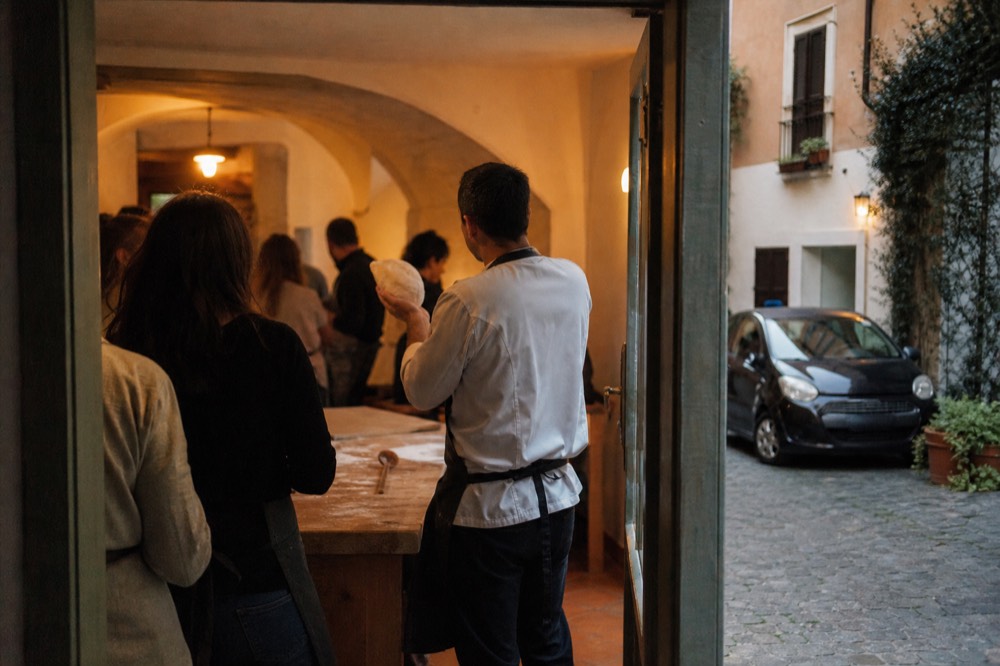
Rome has dedicated family-format classes, including a 2-in-1 pasta and tiramisu session at $60.39 per person designed for children, and a fully vegan street food walk at $91.75 per person, while gluten-free options require checking the listing directly since mainstream pasta classes are built around wheat.
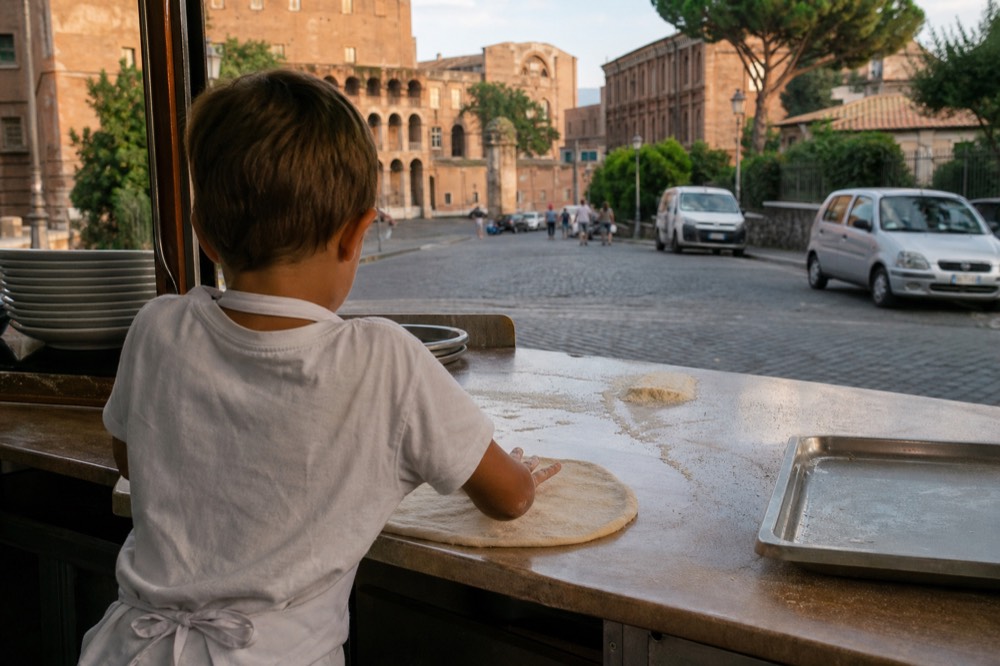
The family formats are genuinely built for kids, not merely tolerant of them. Carpe Diem Tours' family-friendly pasta and tiramisu class, a 2-in-1 session at $60.39 per person with a 4.9 from 263 reviews, structures the three hours so children stay occupied through rolling, cutting and assembling. Inrome Cooking's pizza and gelato class, $117.13 per group, is the other strong family pick, because pizza dough is forgiving and the gelato finish needs no patience. The practical questions families ask, from what to wear to whether to tip, are answered in what to wear to a cooking class in Italy and do you tip at a cooking class.
For plant-based travelers, the standout is the vegan street food tour from Hili srl, $91.75 per person with a perfect 5 from 79 reviews, which is a walk rather than a class but covers the vegan Roman food landscape. Cooking classes themselves are more adaptable than their menus suggest: instructors routinely swap guanciale out of a sauce or build a vegetarian variant, but you must tell the operator in advance, because the shopping happens before you arrive. The same applies to gluten intolerance, with a caveat: a class centered on fresh wheat pasta is the wrong venue, and the dedicated gluten-free options in the city are covered in the gluten-free food tours guide.
| Need | Best-fit option | Price | Notes |
|---|---|---|---|
| Children in the group | Family pasta and tiramisu class | $60.39 per person | 2-in-1 format, 3 hours |
| Young kids and pizza | Pizza and gelato class | $117.13 per group | Small group, 2.5 hours |
| Vegan travelers | Vegan street food walk | $91.75 per person | Walk, not a class |
| Vegetarians | Any pasta class, flagged in advance | Varies | Sauce swaps are routine |
| Gluten-free | Check listings directly | Varies | Wheat-centric formats do not adapt |
How far ahead should you book, and what should you wear?
Book the popular evening and family classes one to two weeks ahead in high season and a few days ahead otherwise, since the best-reviewed sessions are also the most-booked; wear closed shoes and clothes you do not mind flouring, tie back long hair, and arrive ten minutes early at the stated meeting point.
Booking windows in this market are driven by capacity, not scarcity theater. The classes with thousands of reviews run multiple daily sessions, so midweek off-season slots can often be booked a day or two out. The pressure points are Friday and Saturday evenings, family formats during school holidays, and the market combinations, which cap smaller groups. Cancellation terms are traveler-friendly across the market: most listings allow free cancellation up to 24 hours before the session, and many offer pay-later options, so the standard advice is to lock the slot you want early and adjust if your plans shift.
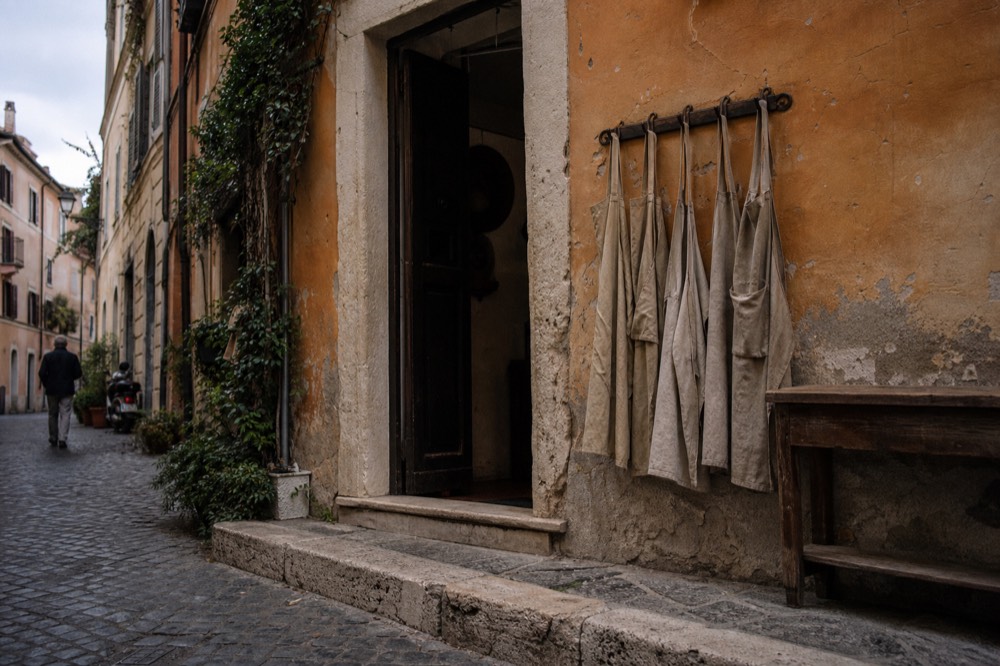
What to wear is simple. Closed, flat shoes, because kitchen floors are hard and occasionally wet. Comfortable clothes, since an apron protects only your front. Skip dangling sleeves and jewelry on your working hand. Long hair tied back. Nothing else is required; the school provides aprons and everything you cook with. The fuller packing and etiquette rundown, including the jeans question, is in can I wear jeans to dinner in Italy, and the class-specific version in the what-to-wear post above.
Meeting points deserve one warning: several listings state that the meeting point varies by the option booked, including the fresh pasta class from Walks of Italy and the family class from Carpe Diem Tours. Read the confirmation email, not the listing headline, the day before. In Trastevere and the center, also be aware that the night ZTL restrictions resumed in September, so if your class is in the evening and you are staying outside the center, plan the tram or a walk rather than a car, a point the evening food tours guide covers in full.
The short version
For most visitors the right booking is a three-hour group pasta class in the $60 to $70 band, which gets you hands-on dough work, wine, dessert and a full meal; upgrade to a market combination if food is the centerpiece of your trip, and drop to a pizza evening if your group includes young children or your schedule only has 2.5 hours.
The market behind these classes is not standing still. The Italian culinary school sector keeps expanding in Rome, from Aura Academy's degree-granting school on the Aventino to new professional programs at Eataly Roma Ostiense running through the season, which means the instructor pool is deep and the formats keep multiplying. Rome Food Tours tracks this market continuously, and the three formats below are the current standouts in the market-plus-class and classic-pasta categories: the Testaccio market and pasta combination, the Trionfale market tour, and the Pantheon-area pasta class.
A Rome cooking class costs from $33.68 per person for a pizza evening to $128.96 per group for a market-and-pasta combination, runs 2.5 to 4 hours, is taught in English, and ends with the full meal you cooked, with wine usually included; most listings allow free cancellation up to 24 hours before the session.
Common questions about cooking classes in Rome
How much does a cooking class in Rome cost?
Group classes run from $33.68 per person for a pizza and tiramisu evening to $68.52 for a three-hour pasta class with wine and dessert, with market-plus-class combinations up to $128.96 per group. An analysis of 198 advertised Rome classes put the average at $172, pulled up by private listings.
Do you eat what you cook in a Rome cooking class?
Yes. Every mainstream class ends with a sit-down meal of the food the group prepared, with wine usually included, and that meal typically occupies the final third of the session.
Are Rome cooking classes taught in English?
Yes, English is the default language of the mainstream market, including the classes from Pastamania, Cooking Italy, Walks of Italy and Carpe Diem Tours. Other languages are usually available only as private arrangements.
Which cooking class is best for families in Rome?
The family-friendly 2-in-1 pasta and tiramisu class at $60.39 per person and the pizza and gelato class at $117.13 per group are the two formats built around children, both around three hours or less.
Is a market visit plus cooking class worth it?
If food is a main purpose of your trip, yes: the combination costs roughly $30 to $60 more than a standalone class and adds a guided market walk with tastings, turning the session into a full picture of Roman shopping and cooking.
How far in advance should I book a Rome cooking class?
Book one to two weeks ahead for popular evening, family and market-combination sessions in high season, and a few days ahead otherwise. Most listings allow free cancellation up to 24 hours before.