What is a typical Roman breakfast?
A typical Roman breakfast is a cappuccino or espresso and a cornetto eaten standing at the bar counter, often a maritozzo filled with whipped cream. Here is what to order, what it costs, and how locals actually do it.
What is a typical Roman breakfast?
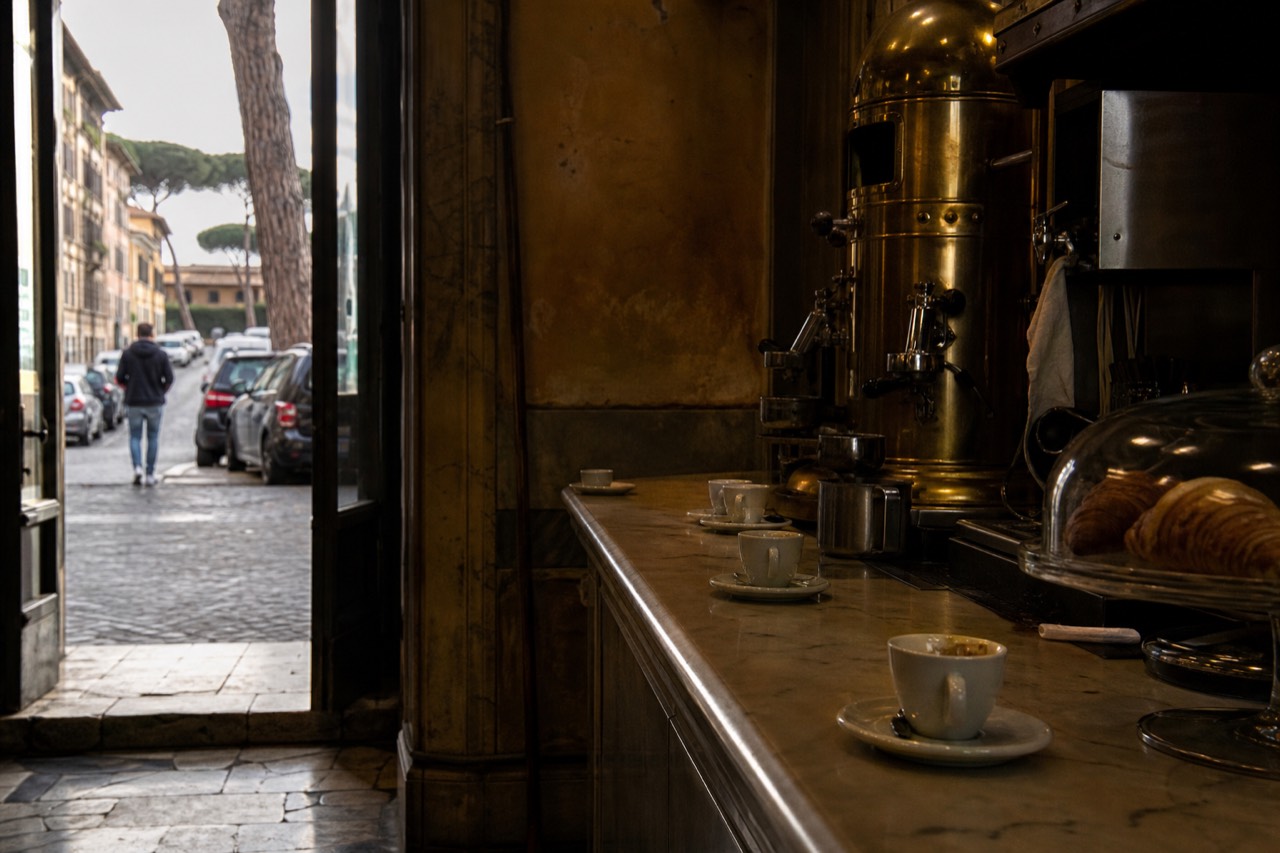
A typical Roman breakfast is a cappuccino or an espresso with a cornetto, the Italian croissant, eaten standing at the bar counter in under ten minutes. The maritozzo, a sweet bun split and filled with a generous cloud of whipped cream, is the city's own historic breakfast pastry. Savory morning meals are not part of the tradition.
That is the honest, unsentimental answer, and it surprises a lot of first-time visitors. There is no plate of eggs, no bacon, no stack of pancakes, and nobody in Rome considers that a loss. Breakfast here is a small, cheap, efficient ritual that happens in a bar, which in Italy means a café that serves coffee, pastries, and often sandwiches and aperitivo later in the day. The bar is the institution that carries the whole meal, and understanding it is understanding half of daily Roman life.
The word Romans use is colazione, and specifically colazione al bar when it happens at the counter, which is most mornings for most working locals. You walk in, greet the staff, order your coffee and pastry, eat it where you stand or perched on a stool, pay, and leave. The whole thing can cost less than a bottle of water in some parts of the city center. In December 2025 the average price of an espresso at the counter in Rome was 1.35 euros according to ISTAT data published in the FIPE Ristorazione 2026 report, a figure that explains a great deal about why the ritual survives so intact. When the core of the meal costs about the same as a bus ticket, there is no reason to skip it, and almost nobody does.
There is a second, slower version of the same breakfast, the seated one, and the price difference between the two is one of the most useful things a visitor can know. There is also a third layer that most tourists never see: the maritozzo, which is having a quiet revival in the city's pastry shops. All three layers are worth understanding before your first morning in Rome, because ordering the way locals do changes both the price you pay and the experience you get. The bar you choose matters too: a bar two streets off a monument serves the identical coffee and pastry as the one facing it, at a fraction of the price.
This article walks through what is actually on the counter, what it costs standing versus sitting, where the maritozzo came from, and how to order without hesitation. If you are mapping out your whole eating day in the city, the rhythm of mealtimes matters as much as the dishes, so pair this with our guide to when Romans actually eat dinner.
Cappuccino and cornetto: the order almost every Roman makes
The default Roman breakfast order is un cappuccino e un cornetto, a cappuccino and a croissant, taken together at the bar. The cornetto comes plain, filled with crema, apricot jam, or chocolate, and the cappuccino is the morning coffee of choice because milky coffee is considered a morning-only drink. After about eleven, locals switch to espresso.
The cappuccino rule is real and worth knowing. Italians broadly treat coffee with a lot of milk as breakfast food, not an all-day drink. Order a cappuccino at four in the afternoon and nobody will refuse you, but you will be marked as a visitor. Before eleven, though, it is the standard order and nobody blinks. The espresso, ordered simply as un caffè, is the other pillar: short, bitter, finished in two or three sips, often with a piece of pastry alongside. Some Romans take their espresso with a single packet of sugar, some take it bitter, and the barista rarely asks, so decide before you reach the counter.
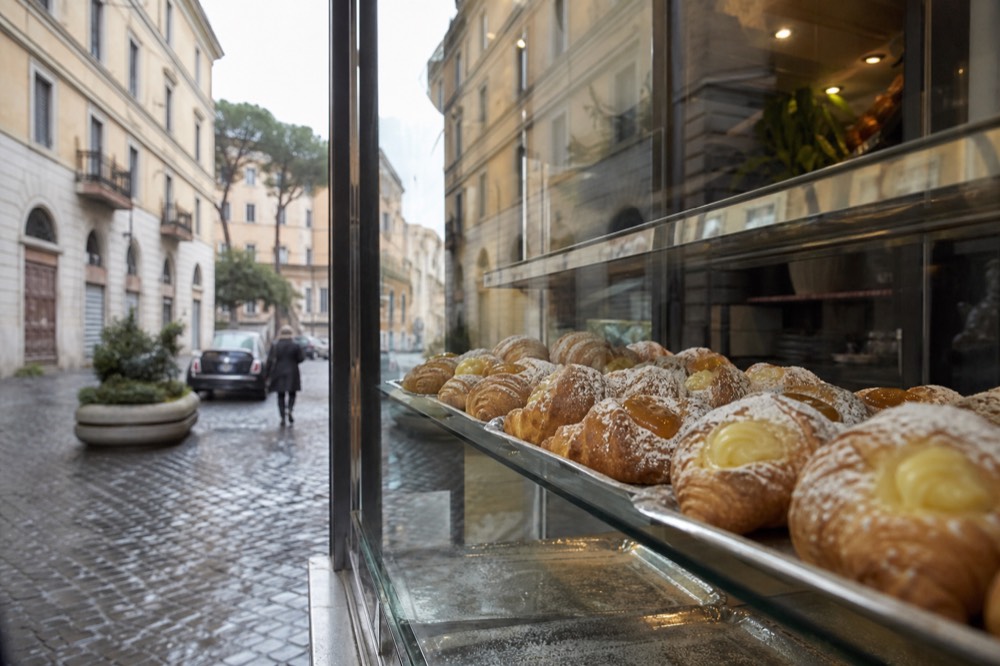
The cornetto is not a French croissant, though it shares ancestry. The Italian version is softer, less buttery, slightly sweeter, and often filled. In a Roman bar you will usually find four or five kinds in the display case, and choosing among them is the only real decision of the meal. A fresh one should feel light and smell of yeast rather than heavy butter, and regulars judge a bar as much by the morning cornetto as by the coffee.
| Cornetto type | What it is | How locals order it |
|---|---|---|
| Vuoto (plain) | Empty, lightly sweetened, the purist's choice | "Un cornetto" |
| Alla crema | Filled with custard cream | "Un cornetto alla crema" |
| Alla marmellata | Filled with apricot jam, the most common fruit fill | "Un cornetto alla marmellata" |
| Al cioccolato | Filled with chocolate cream | "Un cornetto al cioccolato" |
| Integrale | Whole-grain version, increasingly common in modern bars | "Un cornetto integrale" |
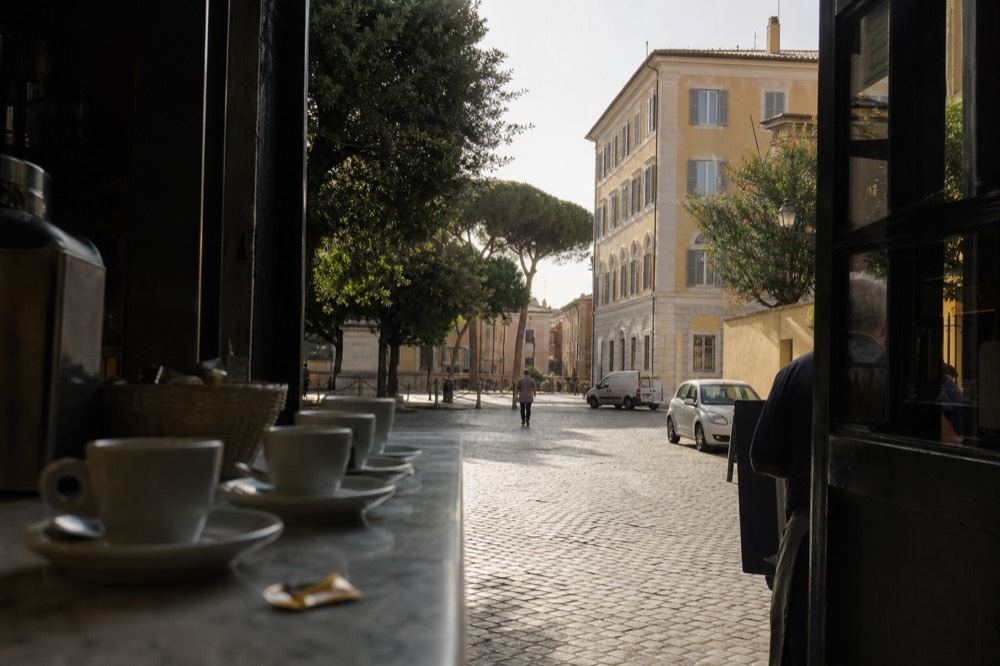
A few habits make the ritual smoother. You usually pay first at the till, the cassa, take your receipt, then order at the counter and hand the receipt over. In busy morning bars this is strict; at quieter places the barista may wave you off and take payment after. Eating at the counter is not a compromise in Rome, it is the point. The bar counter is where the news gets exchanged, where the regulars stand, and where breakfast costs what the price list says rather than a marked-up seated rate. If you are staying in an apartment without breakfast included, the neighborhood bar effectively is your breakfast room, and within two mornings the staff will start making your order as you walk in.
How much does breakfast cost in Rome, standing versus sitting?
An espresso standing at a Roman bar averaged 1.35 euros in December 2025 per FIPE and ISTAT data, and a cappuccino with a cornetto typically runs a few euros total at the counter. Sitting at a table in the same bar can double or triple the price, because table service carries a service component that must be shown on the price list before you order.
The standing-versus-sitting gap is the single biggest breakfast cost decision you will make in Rome, and it is completely legal and transparent. Bars publish two price lists: al banco, at the counter, and al tavolo, at the table. The counter price is the local price. The table price covers service, and in tourist-heavy areas the difference can be dramatic. A coffee that costs 1.35 euros standing can cost several times that at a table on a piazza, and the bar has done nothing wrong. The choice is yours, and the price list tells you the difference before you commit.
There is a rule protecting you here that most visitors never hear about. Lazio regional law 21/2006, article 16, requires prices to be displayed inside the premises, and for restaurants also outside or legible from outside, before you order. The same law prohibits a separate coperto charge in Lazio, with fines from 2,500 to 7,500 euros for violations, and any service charge must appear on the price list in a clearly understandable way. So check the board before you sit: the table rate should be printed, not a surprise. If a price list is not visible, that itself is a breach of the rule, and it is a signal to take your breakfast elsewhere.
| Order | Standing at the counter | Seated at a table |
|---|---|---|
| Espresso | Around 1.35 euros average in Rome | Higher, per the bar's table price list |
| Cappuccino | Typically 1.50 to 2 euros in neighborhood bars | Often double, more on famous squares |
| Cornetto | Typically 1 to 2 euros depending on filling | Same pastry, table-service pricing applies |
| Full breakfast for two | Commonly 5 to 8 euros total in local bars | Can reach 15 to 25 euros in tourist zones |
Those seated ranges are planning figures, not promises: every bar sets its own table prices and the only binding numbers are the ones on its displayed list. The practical advice is simple. Stand at the counter for a local experience at local prices, and sit at a table only when you specifically want to linger and are happy to pay for the chair. Away from the major monuments, neighborhood bars in Testaccio, Monti, or the outer streets of Trastevere keep counter prices close to the city average even when they have tables.
If you want a guided route through that cheaper, local side of Rome's food, the 2.5-Hour Street Food Walk covers the historic center with a 4.8 rating from 4,201 reviews, and it teaches the same lesson this breakfast ritual embodies: the best-value eating in Rome happens at the counter and the street stall, not at the white-tablecloth places. The current price is on the operator's live listing.
What is a maritozzo and why is it Rome's own breakfast pastry?
The maritozzo is a soft, slightly sweet bun, split open and generously filled with whipped cream, and it is the one breakfast pastry that is distinctly Roman rather than generically Italian. Its name ties it to marriage customs, and after decades of decline it has returned to the counters of the city's pastry bars and dedicated maritozzerie.
The name is the charming part. Maritozzo comes from marito, husband, and the pastry is connected to a Roman tradition in which a betrothed man would receive a cream-filled bun on the first Friday of March, sometimes with a ring or a hidden love token baked inside, as a gesture ahead of the wedding. The custom faded, the pastry nearly disappeared, and then in the last several years Roman bakers brought it back with enthusiasm. Today there are shops in the city that sell almost nothing else, in flavors from plain panna to pistachio and seasonal fruit.
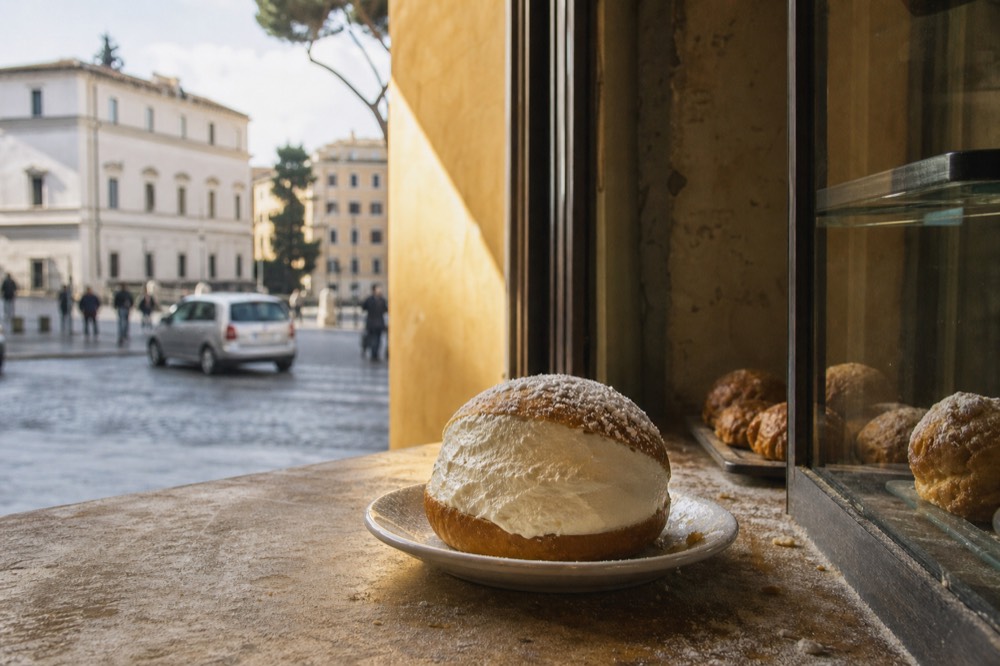
How does it fit a typical breakfast? In the classic form it is a weekend or mid-morning item, richer than the everyday cornetto, though plenty of Romans now treat a maritozzo and cappuccino as the full breakfast on a Saturday. A plain cream maritozzo in a neighborhood pasticceria typically costs a few euros, more at the dedicated shops with elaborate flavors. Compared with the cornetto it is heavier, sweeter, and unapologetically Roman, which is exactly why it has become the pastry visitors photograph and post.
Ordering one is easy: ask for un maritozzo con la panna and expect it to arrive on a small plate with a fork or napkin, because the cream is generous enough that eating it one-handed at the counter is a managed risk. Some bars offer a miniature version, a maritozzino, sized for the standing breakfast crowd. If your trip includes a Sunday morning with nowhere to be, a maritozzo and a cappuccino at a table, paying the table price knowingly, is one of Rome's small luxuries. It is also the one breakfast order that turns a two-minute bar stop into a proper sit-down occasion without any eggs in sight.
Do Romans sit down for breakfast at all?
Mostly no. Standing breakfast at the bar remains the norm, and the habit is measurable: FIPE's tracking found visits for colazione in Italian bars and restaurants fell 2 percent in 2025, while lunch visits rose slightly, confirming breakfast is the smallest and most rushed of Italy's eating occasions. Seated breakfast in Rome is a weekend leisure choice, not a weekday routine.
The data matches what you see on any weekday morning in the city. Bars near offices and metro stops fill with people who order, drink, eat, and leave inside five minutes. The concept of a long, relaxed weekday breakfast with newspapers and refills is essentially absent from Roman working life. Children get milk and biscuits or bread with jam at home before school, adults get the bar, and neither group treats the meal as an event. The meal is a pause, not a production, and that is precisely what makes it repeatable every single day.
Weekends shift the pattern. On a Sunday, families do sit down, often at a pasticceria, for a slower colazione of coffee, cornetti, and sometimes a slice of cake, and this seated version is the closest Rome gets to a brunch culture. The table price applies, the pace stretches, and nobody is watching the clock. It is the same food, but a different meal in spirit. Sunday is also when you will see multigenerational tables, grandparents with children and grandchildren, sharing a breakfast that on Monday reverts to a solo espresso at the counter.
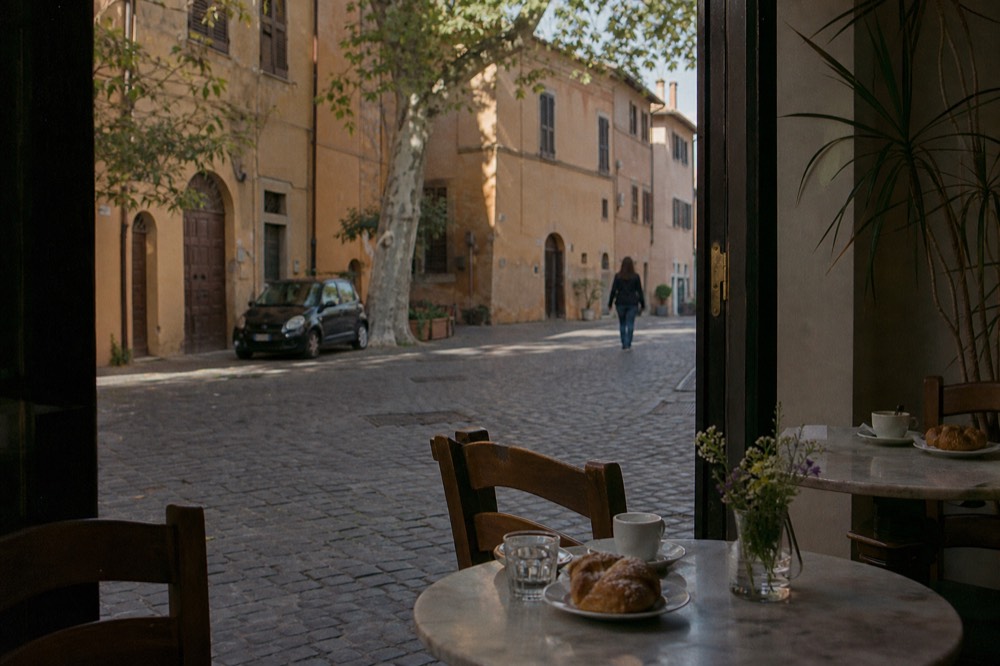
For visitors the takeaway is not that sitting is wrong, it is that standing is authentic and cheap and sitting is a deliberate upgrade. To understand the whole rhythm of the Roman eating day, from this quick morning bar stop through the late dinner hour, read what is typically on a trattoria menu, which picks up where breakfast ends.
What about hotel breakfast and the tourist café trap?
Hotel breakfasts in Rome range from a correct coffee-and-pastry spread to an international buffet with scrambled eggs and bacon aimed at foreign guests, and none of it is what locals eat. The tourist café trap is different: it is paying seated-table prices at a bar on a famous piazza for the identical coffee and cornetto you could have standing a street away.
Neither option is a moral failing. A hotel buffet is convenient, included in many room rates, and if it saves your family an hour before a packed sightseeing day, it earns its place. But know what it is: an amenity built around international expectations, not Roman breakfast. The eggs, the bacon, the pancakes, the juice dispensers, these are for you, not for the city, and a hotel that offers them is not being inauthentic so much as being hospitable on its own terms. The better Roman hotels still put out cornetti and a proper espresso machine alongside the buffet, so you can do both.
The tourist café trap deserves more caution. A bar with a prime view of a major monument will charge table prices that reflect the view, and the price list will be legal and displayed. The coffee is the same coffee. The cornetto is often the same cornetto, delivered by the same morning wholesalers. What you are paying multiples for is the chair and the piazza. If the view is the point, by all means buy it once, knowingly. If you just want breakfast, walk two streets inland, stand at the counter, and pay the local rate.
A practical morning plan for a first visit: find a bar away from the main square, check the price board, pay at the till, order a cappuccino and a cornetto at the counter before eleven, and try a maritozzo at least once on a slower morning. That sequence costs very little, takes twenty minutes, and gives you the breakfast Romans actually eat. For the rest of the day, the city opens up: markets like the ones catalogued on Roma Capitale's official markets page run from early morning, and a mid-morning visit pairs well with a coffee stop. The same city rules that keep bar prices transparent also govern the rest of your eating day, so the habits you form at breakfast carry through to lunch and dinner.
Evening is when Rome's food culture really unfurls, and the neighborhood that shows it best is Trastevere, where the same bars that pour morning cappuccino turn into aperitivo and dinner territory after dark. That contrast, quiet counter breakfast against lively trattoria night, is the city's eating day in miniature, and it is the reason Rome Food Tours covers both ends of it. A morning spent learning to order like a local makes the evening feel earned: by dinner you will know the price rules, the meal rhythm, and which side streets to trust.
These are the questions visitors ask most about breakfast in Rome, answered in a few lines each: what locals order, why eggs never appear, why the counter is cheaper than the table, when a cappuccino stops being normal, what a maritozzo is, and what children eat before school. Each answer reflects the standing-at-the-bar culture described above.
Common questions about Roman breakfast
What is a typical Roman breakfast?
A cappuccino or espresso with a cornetto, eaten standing at the bar counter, is the typical Roman breakfast. The maritozzo, a bun filled with whipped cream, is the city's own historic pastry version. It is a quick, inexpensive meal, not a sit-down spread.
Do Romans eat eggs for breakfast?
No. Eggs, bacon, and pancakes are hotel-buffet food aimed at international guests, not part of the local tradition. The Roman breakfast is coffee and pastry, sometimes with a juice, and that is the whole meal.
Why is it cheaper to stand at the bar in Rome?
Italian bars publish two price lists: counter prices and table prices. Table service carries a service component that Lazio law requires to be shown on the price list before you order, so the seated price is legal but higher. Standing gets you the same coffee at the local rate.
Is it rude to order a cappuccino in the afternoon?
It is not rude, but it marks you as a visitor. Locals treat milky coffee as a morning drink and switch to espresso after late morning. Any bar will still make you a cappuccino whenever you ask.
What is a maritozzo?
A soft, slightly sweet Roman bun split open and filled generously with whipped cream. Its name comes from marito, husband, and it is tied to old Roman betrothal customs. After nearly disappearing, it has returned to pastry bars and dedicated maritozzerie across the city.
What do Roman children eat for breakfast?
Typically milk with biscuits or bread and jam at home before school. The bar breakfast of coffee and cornetto is the adult version; children join it on weekends or in the form of a small pastry and milk.